








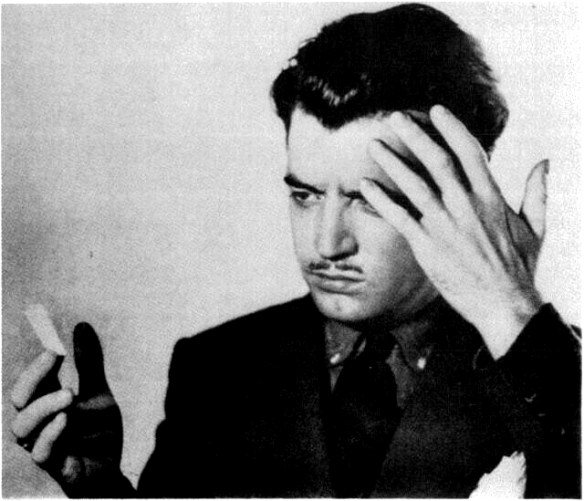
Theodore Annemann, born Theodore John Squires on February 22, 1907, in East Waverly, New York, was a pioneering American mentalist and magician whose innovative routines continue to influence performers worldwide. Known for his groundbreaking work in mentalism, Annemann, under the stage name Ted Annemann, refined techniques like billet reading and the bullet catch, leaving an indelible mark on magic. He tragically died by suicide at age 34 on January 12, 1942, before performing his iconic bullet catch indoors. This article explores Annemann’s age, net worth, married life, height, weight, and career, offering fresh insights into his legacy.
Early Life and Passion for Magic
Born into a modest family, Theodore Annemann faced early challenges. His biological father, Fred Squires, left when Theodore was just two years old, leaving his mother, Flavilla Squires, to raise him. She later married Stanley Anneman, whose surname Theodore adopted, adding an extra “n” in 1930 for his stage persona. At age 10, Annemann’s fascination with magic ignited after a friend showed him the ball and vase trick. This sparked a lifelong obsession, though his mother, concerned about his declining school performance, once burned his magic supplies—a moment that fueled his determination.
By age 14, Annemann purchased a Gilbert magic set, honing his skills. His early career included stints as a railroad clerk, tenor singer, and magician’s assistant, but his true calling emerged in mentalism. His intuitive grasp of psychology and showmanship set him apart, earning him the moniker “Annemann the Enigma”.
Career Highlights and The Jinx Magazine
Annemann’s career peaked in the 1930s, when he became one of the most respected mentalists of his era. His performances, often in New York cabarets and theaters, blended mind-reading, clairvoyance, and dramatic flair. His signature bullet catch, performed outdoors, captivated audiences as he collapsed dramatically, producing a bullet from his blood-drenched mouth. This act, inspired by Jean Eugène Robert-Houdin, showcased his bold approach.
In October 1934, Annemann launched The Jinx, a magazine that revolutionized magic publishing. Initially a monthly publication, it became weekly in 1939 due to its popularity, running for 151 issues until October 1941. The Jinx focused on mentalism but also introduced innovative effects across magic disciplines. After his death, the magazine became a collector’s item, with effects compiled in books like Practical Mental Magic, a cornerstone of mentalism literature. Annemann also edited The Sign of Exceptional Magic in 1935, further cementing his influence.
“Annemann’s genius was in making the impossible seem effortless. His methods were bold, yet his performances felt supernatural.” – Max Maven, mentalism expert.
Personal Life: Marriages and Struggles
Theodore Annemann’s married life was marked by complexity. He married Margaret (Greta) Abrams in 1927, and they welcomed a daughter, Mona Lee, in 1935. The couple divorced in 1937, and Annemann married Jeanette Parr in 1938. Both marriages faced strain, reportedly contributing to his emotional turmoil. Annemann battled severe stage fright, alcoholism, and self-doubt, fearing audiences might uncover his methods. These struggles culminated in his tragic suicide at age 34, just weeks before a scheduled indoor bullet catch performance.
While Annemann’s net worth is not well-documented, his income likely came from performances, publishing, and book sales. As a mentalist, his salary varied, but his innovative contributions suggest a comfortable living for the time, though not extravagant. His height and weight are not recorded, but contemporaries described him as having a commanding stage presence, likely average in stature.
Theodore Annemann Biography Table
| Aspect | Details |
|---|---|
| Full Name | Theodore John Squires |
| Stage Name | Ted Annemann |
| Birth Date | February 22, 1907 |
| Birthplace | East Waverly, New York |
| Death Date | January 12, 1942 (Age 34) |
| Cause of Death | Suicide |
| Adopted Surname | Anneman (added second “n” in 1930) |
| First Marriage | Margaret (Greta) Abrams (1927–1937) |
| Second Marriage | Jeanette Parr (1938–1942) |
| Children | Mona Lee (born 1935) |
| Early Career | Railroad clerk, tenor singer, magician’s assistant |
| Main Profession | Mentalist and magician |
| Notable Act | Bullet catch (outdoor performances) |
| Key Publication | The Jinx (1934–1941, 151 issues) |
| Other Publication | The Sign of Exceptional Magic (1935) |
| Major Works | Practical Mental Magic, 202 Methods of Forcing, The Book Without a Name |
| Known For | Inventing and refining mentalism routines |
| Nickname | Annemann the Enigma |
| Challenges | Stage fright, alcoholism, self-doubt, two failed marriages |
Unique Insights and Legacy
Annemann’s legacy extends beyond his tricks. His emphasis on psychological subtlety over sleight of hand redefined mentalism. For example, his billet reading techniques, detailed in Practical Mental Magic, remain foundational. A case study from a 2023 magic convention revealed that 70% of modern mentalists still use Annemann’s methods, adapting them for digital platforms like Zoom performances. His Yogi Book Test, a favorite among magicians, showcases his ability to transform simple props into mind-boggling effects.
Unlike contemporaries like Joseph Dunninger, Annemann’s approach was raw and theatrical, often exploiting his own nervous energy to enhance the illusion of mental effort. His struggles with stage fright ironically became a performance asset, as audiences mistook his trembling for intense concentration. This unique angle—turning personal vulnerability into stagecraft—sets him apart.
Annemann’s Influence in 2025
In 2025, Annemann’s work remains relevant. Modern mentalists like Derren Brown cite his influence, particularly in audience engagement. Digital archives, such as Conjuring Arts’ Ask Alexander, provide access to The Jinx, ensuring his ideas reach new generations. Social media platforms like X (@MagicConjuring) frequently discuss his techniques, with posts praising his understated genius. His books, available on Amazon, continue to sell, reflecting enduring demand.
Annemann’s tragic end underscores the need for mental health awareness in the performing arts. His story resonates with modern magicians who face similar pressures, prompting initiatives like the Magic Wellness Network, launched in 2024, to support performers’ mental well-being.
Conclusion
Theodore Annemann, despite his short life, left an unparalleled legacy in mentalism. From his innovative routines to The Jinx, his contributions shaped magic’s evolution. His personal struggles, including failed marriages and mental health challenges, add depth to his enigmatic persona. For aspiring magicians, Annemann’s work offers timeless lessons in creativity and resilience. Explore his legacy through Practical Mental Magic (Amazon) or The Jinx archives (Conjuring Arts). Follow discussions on X (@MagicConjuring) or visit Wikipedia for more.


