








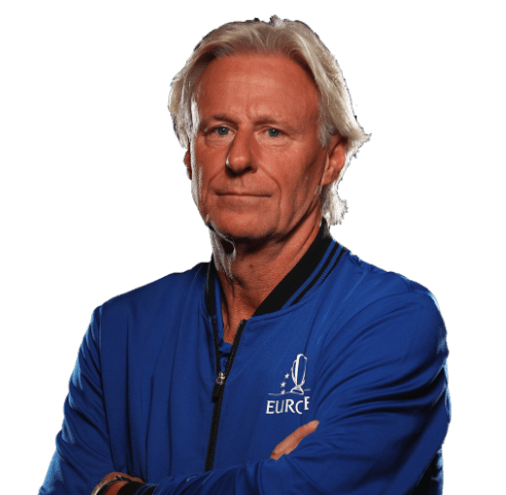
Björn Borg, known as the “Ice Man,” is a Swedish tennis icon born on June 6, 1956, in Stockholm, Sweden. With a net worth estimated to be around $200 million, Borg’s impressive career boasts numerous accolades. He is a 11-time Grand Slam singles champion, including 5 consecutive Wimbledon titles and 6 French Open titles. Borg held the world No. 1 ranking for 109 weeks and was named ATP Player of the Year from 1976 to 1980. This tennis legend’s achievements on and off the court have cemented his place in the history of the sport.
The Rise of a Tennis Phenom: Early Life and Career Beginnings
Björn Borg was born on June 6, 1956, in Stockholm, Sweden. His early life was marked by a strong interest in tennis, which was encouraged by his parents. Björn Borg’s father, Rune Borg, was a tennis enthusiast who introduced his son to the sport at a young age. This exposure sparked a passion in Björn, and he quickly became dedicated to improving his skills.
As a young boy, Björn Borg began competing in local tennis tournaments, where he quickly demonstrated his natural talent. He won his first junior singles title at the age of 13, which marked the beginning of his successful junior career. Björn Borg’s impressive junior record caught the attention of Swedish tennis officials, who began to provide him with training and support. This early recognition and guidance helped shape Björn’s future as a professional tennis player.
Björn Borg’s early career milestones were significant, laying the foundation for his eventual success as a professional tennis player. He turned pro in 1972, at the age of 16, and began competing in international tournaments. His rapid rise through the ranks was a testament to his hard work and natural ability, setting the stage for his future achievements in the world of tennis.
The Ice Man: Björn Borg’s Tennis Dominance and Major Victories
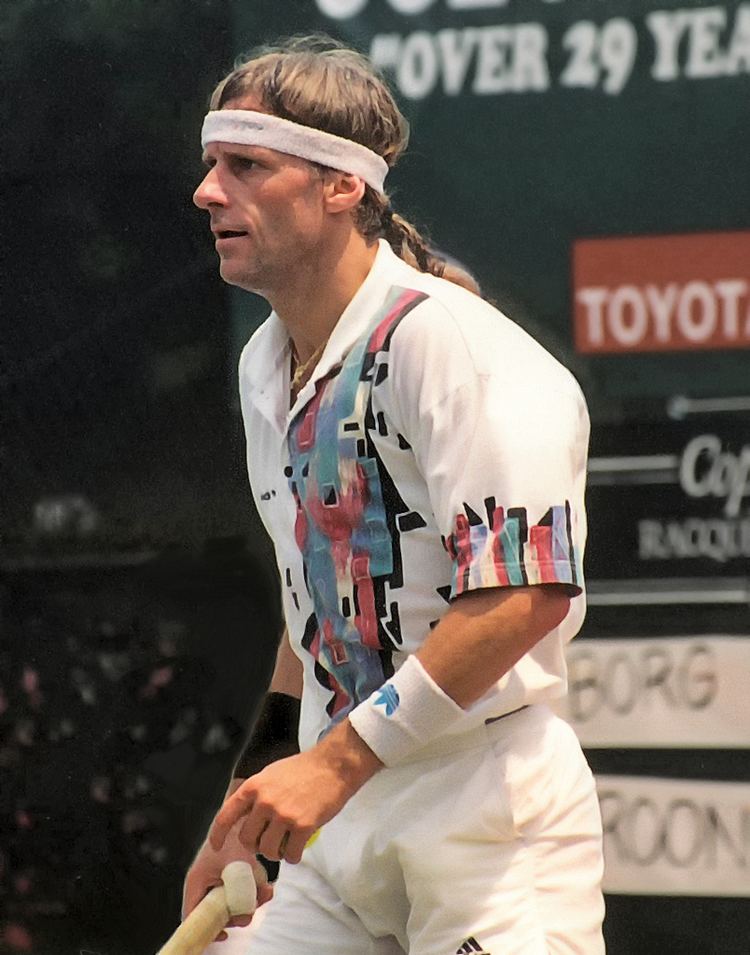
Björn Borg’s impressive tennis career is marked by numerous major singles titles. He won a total of 11 major singles titles, with six of those victories coming at the French Open. This impressive feat showcases his dominance on clay courts, where he excelled in the late 1970s and early 1980s. Borg’s French Open titles spanned four consecutive years from 1978 to 1981, solidifying his position as one of the greatest tennis players of all time.
Borg’s success at Wimbledon is equally impressive, with five consecutive titles from 1976 to 1980. This remarkable streak cemented his status as a tennis legend and earned him the nickname “Ice Man” for his unflappable temperament on the court. His ability to perform under pressure and deliver clutch wins was a hallmark of his playing style. Borg’s record at Wimbledon is a testament to his skill, strategy, and mental toughness.
Borg’s 11 major singles titles are a testament to his enduring legacy in the world of tennis. His impressive career statistics, including 66 singles titles and 109 weeks as world No. 1, demonstrate his consistent excellence and dominance on the court. As a tennis icon, Borg continues to inspire new generations of players and fans alike.
Björn Borg’s Impact on Tennis: Records and Achievements
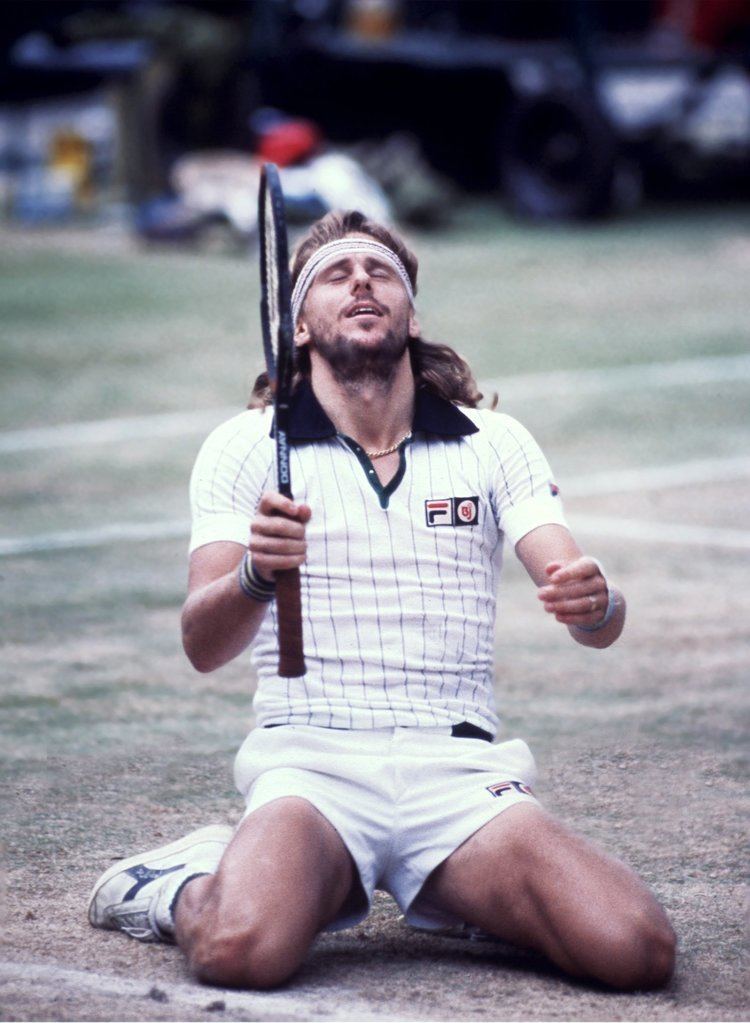
Björn Borg’s record-breaking 109 weeks as world No. 1 is a testament to his exceptional skill and dominance on the tennis court. This achievement, which spanned several years, solidified his position as one of the greatest tennis players of all time. His time at the top of the rankings is a remarkable feat, one that few players have been able to match.
| Biography Aspect | Details |
|---|---|
| Full Name | Björn Rune Borg |
| Date of Birth | June 6, 1956 |
| Age | 69 years (as of 2026) |
| Place of Birth | Stockholm, Sweden |
| Nationality | Swedish |
| Occupation | Professional Tennis Player |
| Nickname | The Ice Man |
| Notable Works / Achievements | 66 singles titles, 11 major singles titles, 6 French Open titles, 5 consecutive Wimbledon titles |
| Awards | ATP Player of the Year (1976-1980), ITF World Champion (1978-1980), Year-end No. 1 in ATP rankings (1979-1980) |
Borg’s success was not limited to his ranking. He was also a consistent winner of awards, including the ATP Player of the Year title, which he won five times from 1976 to 1980. This award is a testament to his outstanding performance on the court, and his ability to consistently deliver top-notch results. Additionally, Borg was also the ITF World Champion from 1978 to 1980, a title that recognizes his exceptional skill and achievements in the world of tennis.
Borg’s achievements on the court are a reminder of his incredible talent and dedication to the sport. His record-breaking ranking and award wins are a testament to his hard work and perseverance, and his legacy continues to inspire tennis players around the world. Borg’s 109 weeks as world No. 1 is a remarkable achievement that will be remembered for years to come.
A Champion Off the Court: Personal Life and Marital Status
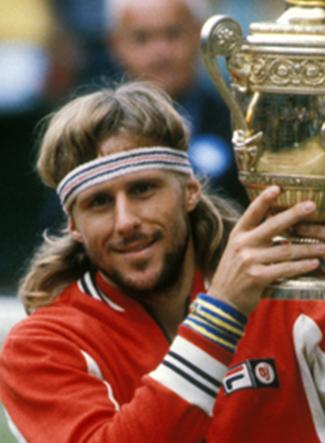
Björn Borg has been married three times. His first marriage was to Pia Lundvall in 1973, with whom he had two sons, Robin and Paolo. The couple divorced in 1980. Borg then married Marianne in 1980, but they divorced in 1984. His third marriage was to Patricia in 1989, with whom he had two daughters, Johanna and Lorraine. Borg has been known to be private about his personal life, but his relationships have been well-documented in the media.
Björn Borg has been involved in various philanthropic efforts throughout his life. One notable example is his work with the Björn Borg Foundation, which he established in 1995. The foundation aims to improve the lives of children and young people through sports and education. Borg has also been involved in various charity tennis tournaments and has supported several charitable causes over the years.
Borg has been recognized for his philanthropic efforts, including being named as a Goodwill Ambassador for the United Nations Children’s Fund (UNICEF) in 1997. His commitment to giving back to the community has made a significant impact, and he continues to be involved in various charitable initiatives to this day.
Björn Borg’s Legacy: A Tennis Icon and Entrepreneur
Björn Borg’s post-tennis career has been marked by his entrepreneurial pursuits and business ventures. After retiring from professional tennis, Borg turned his attention to fashion and design, launching his own clothing line, Borg. He also became involved in various other business ventures, including a chain of fitness centers and a line of tennis equipment. Borg’s entrepreneurial spirit has been recognized with several awards, including the Swedish Entrepreneur of the Year award in 2006.
Borg has also been involved in various philanthropic efforts, including the Björn Borg Foundation, which he established in 1987. The foundation supports children’s charities and provides funding for various initiatives, including education and healthcare programs. Borg’s commitment to giving back to his community has been recognized with several awards, including the United Nations Development Programme‘s Humanitarian of the Year award in 2008.
Today, Borg is estimated to be worth $200 million, according to various sources. His net worth is a testament to his successful entrepreneurial pursuits and business ventures. Borg continues to be involved in various business and philanthropic efforts, cementing his legacy as a tennis icon and entrepreneur.
Björn Borg’s Net Worth and Financial Success
Björn Borg’s net worth is estimated to be around $200 million. His primary source of income during his tennis career was prize money, which he earned through his numerous tournament wins. He also earned significant amounts from endorsement deals with major brands such as Adidas and Head.
In addition to his tennis career earnings, Borg has also generated income through various business ventures. He has been involved in the creation of his own line of tennis rackets and apparel, which has been successful in the market. Borg has also invested in several real estate properties, including a luxurious villa in the south of France.
Borg’s financial achievements extend beyond his personal wealth. He has also been recognized for his philanthropic efforts, particularly in the area of children’s welfare. In 2007, he was awarded the Order of the Polar Star, a prestigious Swedish honor, for his contributions to charity.