








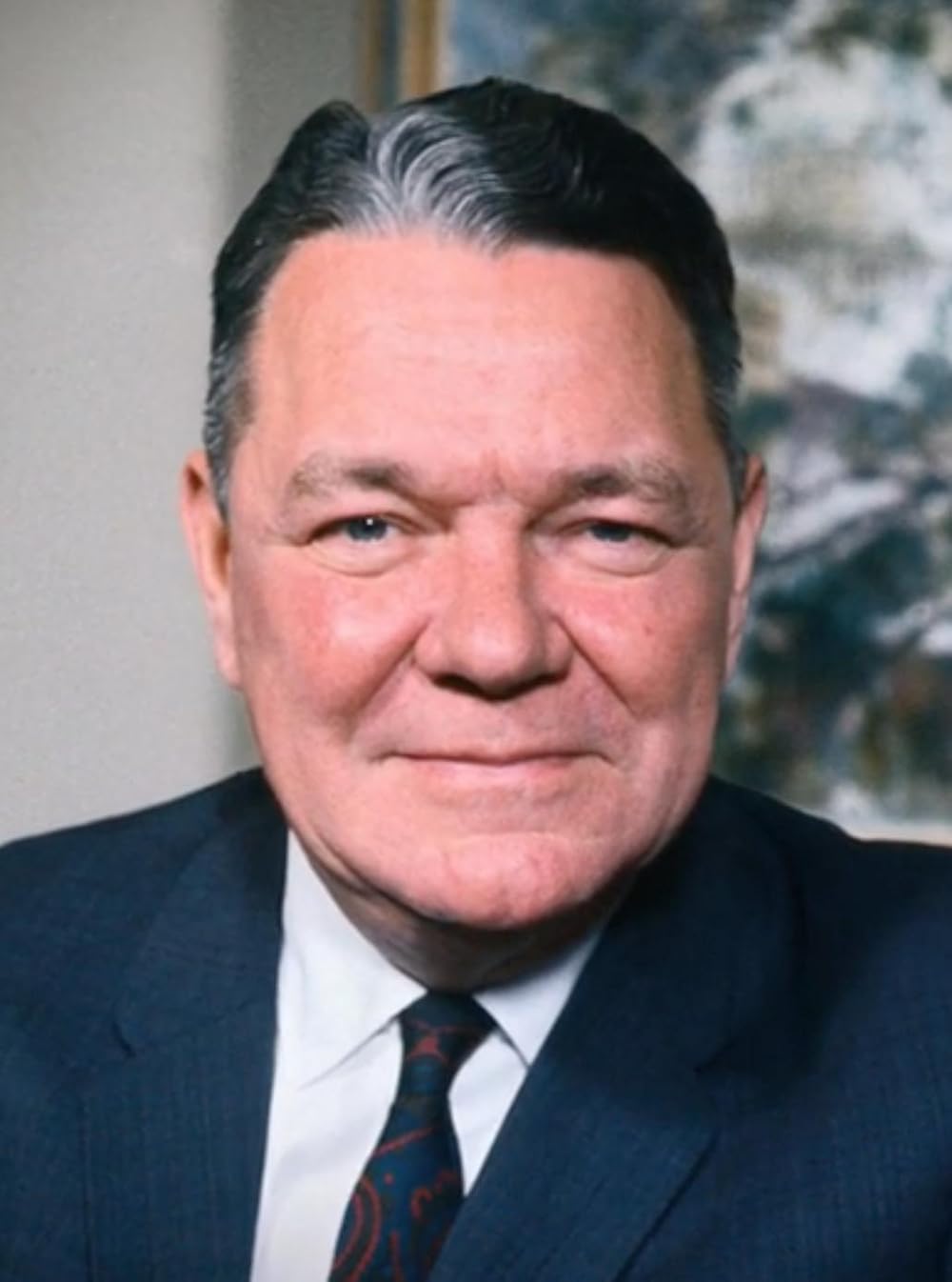
Thomas Hale Boggs Sr., an American politician and influential figure in the Democratic Party, left an indelible mark on the U.S. House of Representatives. As the House Majority Leader, Boggs played a pivotal role in shaping the country’s legislative agenda. Born on February 15, 1914, Boggs’s remarkable career spanned over two decades, during which he served as a member of the Warren Commission. His net worth, although not publicly disclosed, reflects his successful tenure in politics. As a prominent figure in American politics, Boggs’s life took a dramatic turn on October 16, 1972, when the plane he was traveling in disappeared over Alaska, leaving behind a trail of unanswered questions.
Early Life and Education
Boggs attended Tulane University in New Orleans, Louisiana, where he earned his Bachelor of Arts degree in 1935. He later went on to study law at Tulane University Law School, graduating with his Juris Doctor (J.D.) degree in 1937. This academic foundation laid the groundwork for Boggs’ future success in politics.
Boggs’ educational background and family ties played a crucial role in shaping his early life and setting him on the path to a distinguished career in public service. His strong academic record and family connections would later serve him well as he navigated the complexities of politics in Louisiana and beyond.
Rise to Power: Congressional Career

Thomas Hale Boggs Sr. embarked on a distinguished career in politics, serving as a member of the U.S. House of Representatives from New Orleans, Louisiana. He was first elected to this position in 1946, representing the state’s 2nd congressional district. Boggs held this seat for nearly 27 years, a testament to his enduring popularity and effectiveness as a representative.
Throughout his tenure, Boggs was a member of several notable committees, including the House Committee on Ways and Means and the House Committee on the District of Columbia. He also served as a delegate to the Democratic National Conventions in 1948, 1952, 1956, and 1960. Boggs’ leadership skills and experience eventually led to his appointment as House Majority Leader, a position he held from 1961 until his disappearance in 1972. This prestigious role made him a key figure in shaping the Democratic Party’s legislative agenda and working with the White House to pass significant legislation.
Warren Commission and Major Policy Contributions

Hale Boggs played a pivotal role in shaping American history as a member of the Warren Commission, established by President Lyndon B. Johnson to investigate the assassination of President John F. Kennedy. The commission, officially known as the President’s Commission on the Assassination of President Kennedy, was tasked with uncovering the truth behind the tragic event. Boggs’ involvement in the commission marked a significant chapter in his illustrious career, demonstrating his commitment to uncovering the truth and serving the nation.
| Biography Aspect | Details |
|---|---|
| Full Name | Thomas Hale Boggs Sr. |
| Date of Birth | February 15, 1914 |
| Age | 58 years (at the time of disappearance) |
| Place of Birth | Duluth, Minnesota |
| Nationality | American |
| Occupation | Politician, Member of U.S. House of Representatives |
| Spouse / Partner | Corinne “Lindy” Boggs |
| Children | Thomas Hale Boggs Jr. |
| Education | Tulane University (Bachelor’s degree), Tulane University Law School (Law degree) |
| Notable Works / Achievements | Member of the Warren Commission, House majority leader |
| Date of Disappearance | October 16, 1972 |
| Declared Dead | December 29, 1972 |
Major Policy Contributions
Throughout his tenure as House Majority Leader, Boggs made significant contributions to various policy areas. He was a strong advocate for infrastructure development, pushing for increased funding for road construction and urban renewal projects. His efforts led to the passage of the Federal-Aid Highway Act of 1972, which allocated substantial funds for highway development across the country. Additionally, Boggs championed environmental protection, supporting legislation that aimed to preserve America’s natural resources and promote sustainable development. His dedication to these causes left a lasting impact on American politics, shaping the nation’s approach to infrastructure and environmental policy for generations to come.
Disappearance in Alaska: The Unresolved Mystery

On October 16, 1972, Thomas Hale Boggs Sr., the U.S. House of Representatives Majority Leader, embarked on a fundraising drive in Alaska. He was traveling in a twin-engine airplane along with Alaska congressman Nick Begich and two other individuals. The aircraft was en route from Anchorage to Juneau, Alaska, when it vanished.
The disappearance of the plane sparked an extensive search effort, involving the U.S. Coast Guard, the U.S. Air Force, and the Alaska State Troopers. The search party combed through the rugged terrain of southeastern Alaska, scouring the coastline and surrounding mountains. Despite the efforts, no signs of the plane or its occupants were ever found. The incident remains one of the most enduring unsolved mysteries in American aviation history.
The disappearance of the plane and its occupants has been the subject of numerous investigations and speculations over the years. The U.S. Air Force and the U.S. Coast Guard conducted a thorough investigation, but the cause of the disappearance remains unknown. The incident has left behind a trail of unanswered questions and a lasting impact on the families of those involved.
Personal Life and Legacy
Hale Boggs was a devoted husband and father, deeply committed to his family. He married Lindy Boggs, a renowned socialite and philanthropist, in 1941. Together, they had four children: Thomas Hale Boggs Jr., Corinne Boggs, Cokie Roberts, and Barbara Boggs Sigmund. His children would go on to pursue successful careers in politics, journalism, and philanthropy, carrying on their father’s legacy.
Personal Interests and Philanthropy
In his free time, Hale Boggs was an avid outdoorsman and enjoyed fishing and hunting. His love for nature and the environment was reflected in his support for conservation efforts during his time in Congress. Boggs was also a dedicated philanthropist, particularly in his home state of Louisiana. He was a strong advocate for education and healthcare, and his family continued his philanthropic work after his disappearance.
Lasting Impact on American Politics
Hale Boggs’ lasting impact on American politics cannot be overstated. As a respected leader and member of the Warren Commission, he played a crucial role in shaping the country’s legislative agenda. His commitment to public service and his dedication to his family serve as a testament to his character and integrity. Though his life was cut short, Boggs’ legacy continues to inspire future generations of politicians and public servants.
Net Worth and Final Years
As the majority leader of the U.S. House of Representatives, Hale Boggs’ net worth was estimated to be around $200,000 to $500,000 in 1972, a significant amount considering the era. This wealth was largely attributed to his successful law practice in New Orleans, which he maintained alongside his congressional career.
In his final years in office, Boggs was preparing for the 1972 election, which he was expected to win. His leadership position and influence within the Democratic Party made him a strong contender. However, his disappearance on October 16, 1972, while on a fundraising drive in Alaska, left his constituents and the nation in shock.
Boggs’ preparations for the election were cut short, and his seat in the U.S. House of Representatives remained vacant until the 1973 special election. The circumstances surrounding his disappearance and the subsequent search efforts would remain a mystery for years to come, leaving behind a legacy that continues to fascinate and intrigue the public.