







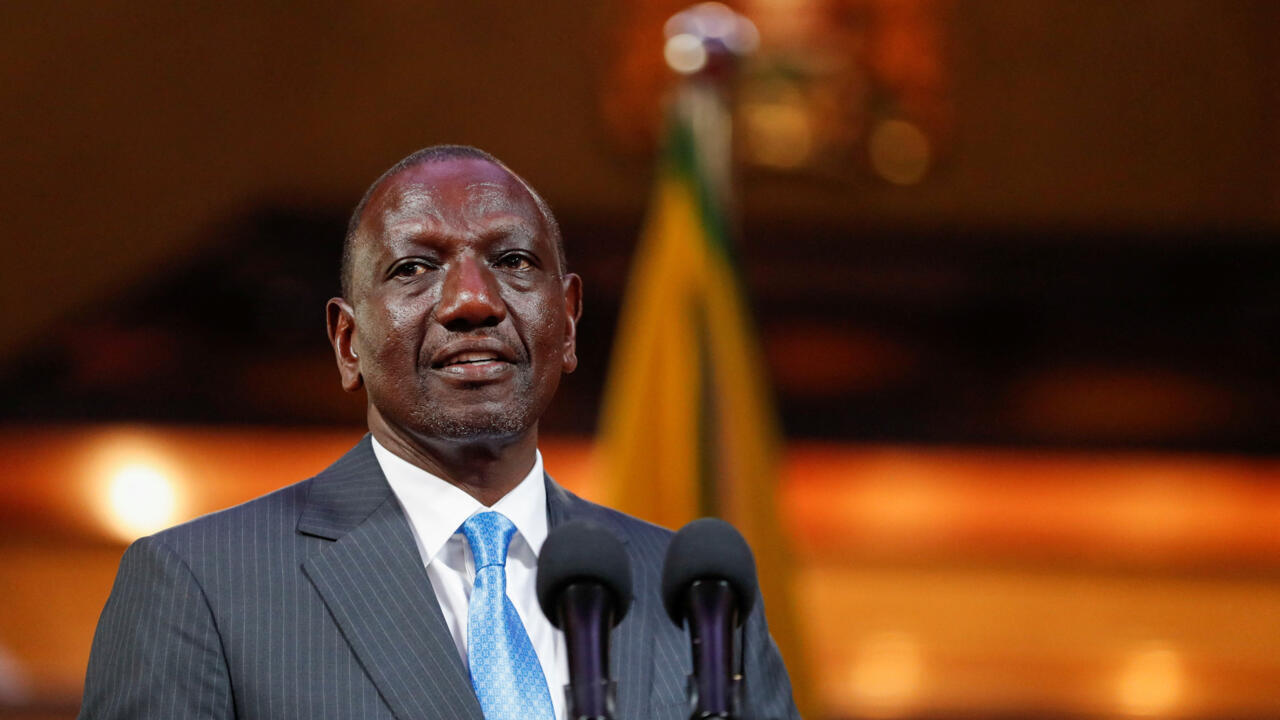
William Ruto, the fifth and current president of Kenya, has been a prominent figure in African politics for decades. Born on December 21, 1966, Ruto has navigated a successful career in politics, serving as the first elected deputy president of Kenya from 2013 to 2022. With a net worth estimated in the millions, Ruto’s career highlights include serving in three cabinet portfolios, including Minister for Home Affairs, Minister of Agriculture, and Minister for Higher Education. As a seasoned politician, Ruto has represented the Eldoret North constituency in parliament, first under the KANU party and later through the ODM party. His rise to the presidency in 2022 marked a significant milestone in his illustrious career.
From Eldoret to State House: William Ruto’s Early Life and Education
William Ruto was born on December 21, 1966, in Kenya. His childhood was marked by the traditional Kenyan values and customs of the Kalenjin people, a community known for their rich cultural heritage and strong sense of community. Ruto’s family background played a significant role in shaping his early life, with his parents instilling in him the importance of hard work, education, and community service.
Ruto’s educational journey began at the St. Patrick’s Iten School, a prestigious boarding school in western Kenya. He later attended Kapsabet High School, where he excelled academically and developed a strong interest in politics. Ruto’s early influences were shaped by his family and community, with his parents and teachers encouraging him to pursue his dreams and make a positive impact in his community. These early influences would later shape his approach to politics and community service.
Ruto’s education continued at University of Nairobi, where he earned a degree in Economics and Rural Development. His academic achievements and strong work ethic earned him recognition and respect from his peers and community leaders. Ruto’s educational background and early life experiences laid the foundation for his future success in politics and public service.
The Rise of a Politician: William Ruto’s Early Career and Party Affiliations

William Ruto’s entry into politics began in the late 1990s when he was elected as the Member of Parliament for Eldoret North constituency in 1997. He served under the KANU party, which was one of the dominant parties in Kenya at the time. This marked the beginning of Ruto’s career as a politician, and it set the stage for his future involvement in Kenyan politics.
Over the years, Ruto would switch parties, joining the ODM in 2007. This move was significant, as it demonstrated Ruto’s ability to adapt and navigate the complex landscape of Kenyan politics. His decision to join the ODM was likely driven by a desire to be part of a more dynamic and progressive party, one that was committed to reform and change.
Ruto’s first election wins under the ODM party were a testament to his growing popularity and influence within Kenyan politics. His election as the Member of Parliament for Eldoret North constituency in 2007 marked a significant milestone in his career, and it paved the way for his future success as a politician. Ruto’s ability to connect with voters and build a strong support base was a key factor in his election wins, and it would serve him well in the years to come.
Ministerial Roles: William Ruto’s Experience in Kenyan Government
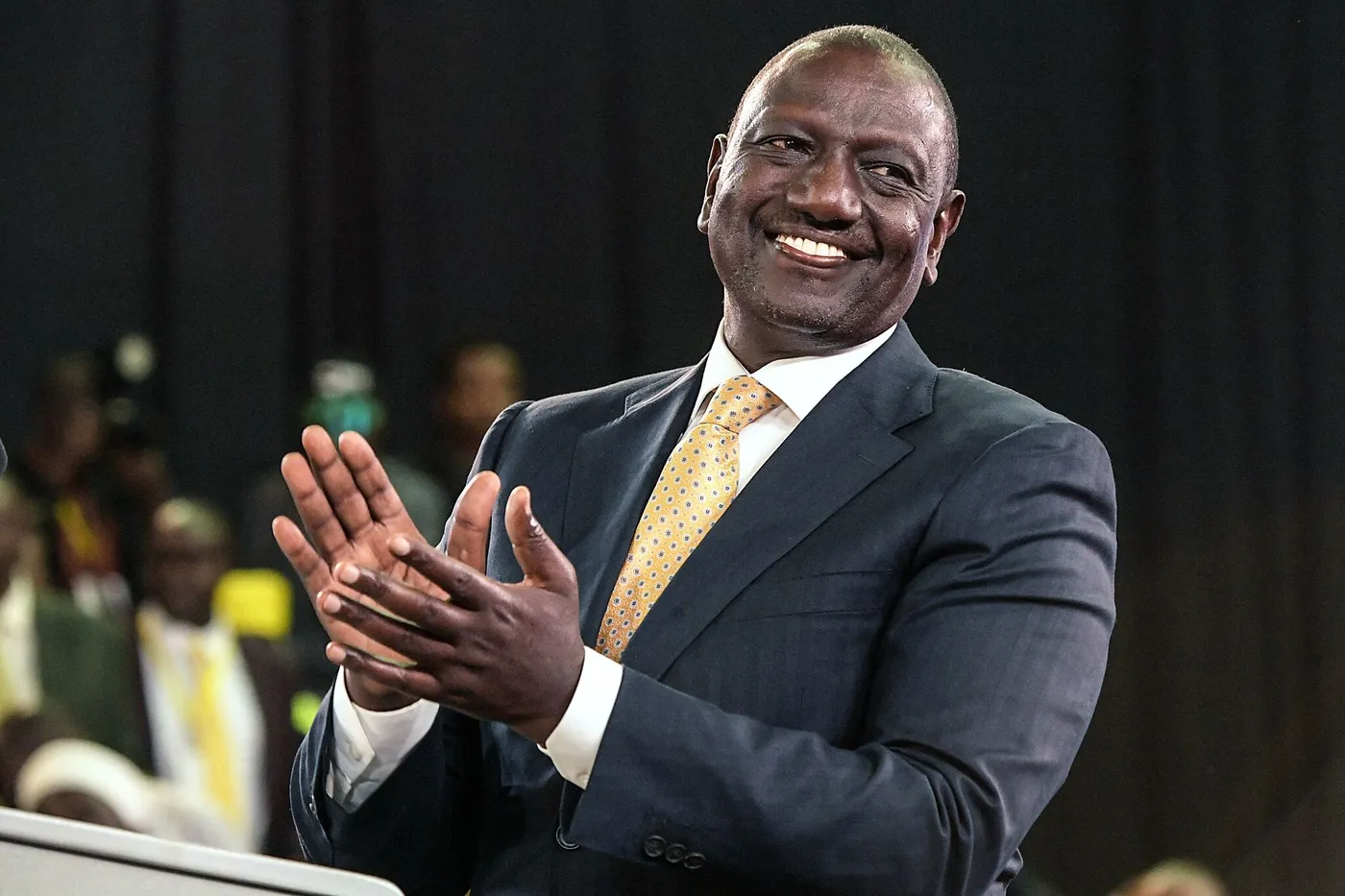
William Ruto’s entry into the Kenyan government began in 2002 when he served as the Minister for Home Affairs in the Daniel arap Moi administration. Although his tenure was brief, lasting only from August to December 2002, this appointment marked a significant milestone in his career. As Minister of Home Affairs, Ruto was responsible for overseeing various aspects of internal security and law enforcement.
| Biography Aspect | Details |
|---|---|
| Full Name | William Kipchirchir Samoei Arap Ruto |
| Date of Birth | 21 December 1966 |
| Age | 57 years |
| Nationality | Kenyan |
| Occupation | Politician |
| Notable Works / Achievements | Fifth and current president of Kenya, first elected deputy president of Kenya, served in three cabinet portfolios |
| Previous Titles | Deputy President of Kenya (2013-2022), Minister for Home Affairs, Minister of Agriculture, Minister for Higher Education |
Agricultural and Educational Reforms
In 2008, Ruto took on a new challenge as the Minister for Agriculture under the Mwai Kibaki administration. During his tenure, which lasted until 2010, he likely played a crucial role in shaping agricultural policies and initiatives aimed at improving the country’s food security and economic growth. Ruto’s experience in this portfolio likely influenced his later policy decisions as a politician. In addition to his role as Minister of Agriculture, Ruto also served as the Minister for Higher Education from April 2010, overseeing the country’s education sector and implementing reforms to improve access to quality education.
Deputy President and Presidential Candidate: William Ruto’s Major Policies and Controversies

As Deputy President of Kenya, William Ruto played a pivotal role in shaping the country’s policies. One of his key initiatives was the Big Four Agenda, which aimed to achieve economic growth by focusing on manufacturing, affordable housing, universal healthcare, and food security. This ambitious plan was designed to create jobs, improve living standards, and reduce poverty. Ruto also championed the Hustler Fund, a microfinance initiative aimed at empowering small-scale entrepreneurs and traders.
During his presidential campaigns, Ruto’s message centered around his vision for a more inclusive and prosperous Kenya. He emphasized the need for economic growth, job creation, and social welfare programs. Ruto’s campaign also highlighted his commitment to addressing the country’s infrastructure challenges, including upgrading roads, railways, and energy systems. His leadership style, which he described as “bottom-up,” aimed to empower local communities and promote grassroots development.
However, Ruto’s presidential campaigns were not without controversy. He was accused of inciting violence and hate speech, particularly during the 2007 and 2017 elections. Ruto’s close ties to the United States and the United Kingdom have also raised eyebrows, with some critics accusing him of being too aligned with Western interests. Additionally, Ruto’s handling of the COVID-19 pandemic has been criticized for being slow and inadequate, leading to widespread criticism and public dissatisfaction.
President of Kenya: William Ruto’s Current Position and Leadership Style
William Ruto’s ascension to the presidency of Kenya marked a significant shift in the country’s political landscape. On 13 September 2022, he was inaugurated as the fifth president of Kenya, succeeding Uhuru Kenyatta. Ruto’s presidential campaign, which was marred by controversy and competition from other prominent candidates, ultimately yielded a decisive victory. His campaign focused on key policy initiatives aimed at addressing the country’s economic and social challenges.
As president, Ruto has prioritized several key policy initiatives, including economic growth and development, job creation, and social welfare programs. His administration has also emphasized the importance of regional cooperation and diplomacy, particularly in East Africa. Ruto has sought to strengthen Kenya’s relationships with neighboring countries and has played a key role in regional initiatives aimed at promoting economic integration and security cooperation.
Ruto’s leadership style has been characterized by a strong emphasis on pragmatism and inclusivity. He has sought to build a broad coalition of support among various stakeholders, including opposition parties and civil society organizations. His administration has also prioritized good governance and transparency, with a focus on rooting out corruption and promoting accountability within the government.
Personal Life and Net Worth: William Ruto’s Marriage and Financial Status
William Ruto is a married man, having tied the knot with Rachel Ruto in 1991. The couple has five children together. Rachel Ruto is a well-known Kenyan philanthropist and women’s rights advocate, and her work has been recognized both locally and internationally. As a devoted husband and father, William Ruto’s family life is an essential aspect of his personal life.
In addition to his family, William Ruto’s net worth is estimated to be substantial, with various sources placing it in the range of $10 million to $20 million. His net worth is largely attributed to his successful business ventures, including his involvement in the dairy industry and real estate. Ruto has also invested in various agricultural projects, which have contributed significantly to his wealth.
As a prominent businessman and politician, William Ruto’s financial status has been subject to scrutiny over the years. However, his net worth is a testament to his entrepreneurial spirit and ability to diversify his investments. Despite the controversy surrounding his wealth, Ruto’s business acumen has undoubtedly played a significant role in his rise to prominence in Kenyan politics.