









Khan Abdul Ghaffar Khan, famously known as Badshah Khan or Bacha Khan, was a trailblazing Pashtun leader, activist, and educator who left an indelible mark on the Indian independence movement. Born on February 6, 1890, in Utmanzai, Peshawar Valley, British India (now Pakistan), Khan’s life was a testament to his unwavering commitment to social justice and self-rule. As a key figure in the non-violent resistance movement, Khan worked closely with Mahatma Gandhi and founded the Khudai Khidmatgars, a non-violent army that aimed to promote social justice. His remarkable career spanned over six decades, leaving behind a legacy that continues to inspire generations.
Early Life and Background
Khan Abdul Ghaffar Khan was born on February 6, 1890, in Utmanzai, Peshawar Valley, British India, which is now part of Pakistan. His birthplace was a small village in the midst of the Peshawar Valley, a region known for its rich cultural heritage and stunning natural beauty. The Peshawar Valley has been home to various Pashtun tribes for centuries, and Khan’s birth marked the beginning of a remarkable journey that would take him to the forefront of India’s struggle for independence.
Khan’s family background played a significant role in shaping his early life and values. His father, Abdul Ghaffar Khan, was a devout Muslim and a strong advocate for social justice, who instilled in his son the importance of compassion, empathy, and selfless service. Khan’s mother, Umra Khan, was a kind and gentle soul who nurtured his love for learning and encouraged him to pursue his education. Growing up in a traditional Pashtun household, Khan was exposed to the rich cultural and linguistic heritage of his people, which would later influence his work as a leader and educator.
Khan’s early education took place in a local madrasa, where he studied the Quran, Arabic, and Pashto. He later attended the Islamia High School in Peshawar, where he demonstrated a keen interest in politics and social issues. Khan’s formative years were marked by a deep sense of curiosity and a desire to make a positive impact on his community. These early experiences laid the foundation for his future work as a leader and a champion of social justice.
Career Beginnings
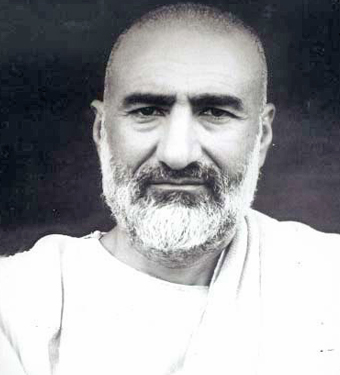
Khan Abdul Ghaffar Khan’s journey as a leader began at a young age. Born on February 6, 1890, in Utmanzai, Peshawar Valley, British India (now Pakistan), Khan was raised in a family that valued education and social responsibility. He was educated at the Edwardes College in Peshawar and later at the Dera Adam Khel School in Waziristan. Khan’s early exposure to the harsh realities of British colonial rule and the struggles of his community instilled in him a strong sense of social justice and a desire to serve his people.
Khan’s entry into public life began with his involvement in the educational sector. He worked as a teacher and later as the principal of the Edwardes College in Peshawar. This experience not only honed his leadership skills but also deepened his understanding of the needs of his community. Khan’s passion for education and his commitment to social justice laid the foundation for his future endeavors as a leader and activist. As he navigated the complexities of British colonial rule, Khan began to develop a vision for a more just and equitable society, one that would eventually inspire him to take a stand against the oppressive regime.
In the early 1920s, Khan founded the Khudai Khidmatgars, a non-violent army that aimed to promote social justice and self-rule. This marked a significant turning point in Khan’s career, as he began to transition from a teacher and educator to a full-fledged leader and activist. The Khudai Khidmatgars, also known as the “Servants of God,” would go on to play a pivotal role in the Indian independence movement, and Khan’s leadership would be instrumental in shaping the course of history.
Major Achievements and Success
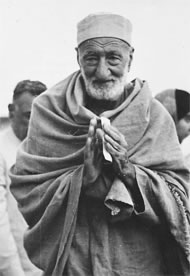
Khan Abdul Ghaffar Khan’s most notable work was the founding of the Khudai Khidmatgars, a non-violent army that aimed to promote social justice and self-rule in British India. This organization, also known as the “Servants of God,” played a significant role in the Indian independence movement. Khan’s leadership and vision for a united India, free from colonial rule, inspired countless people to join the non-violent resistance movement.
| Biography Aspect | Details |
|---|---|
| Full Name | Khan Abdul Ghaffar Khan |
| Common Name | Badshah Khan, Bacha Khan |
| Date of Birth | February 6, 1890 |
| Place of Birth | Utmanzai, Peshawar Valley, British India (now Pakistan) |
| Nationality | Pashtun, Indian (at the time of birth) |
| Occupation | Leader, Activist, Educator |
| Notable Works / Achievements | Non-violent resistance movement against British colonial rule, Founder of the Khudai Khidmatgars |
| Other Relevant Details | Worked closely with Mahatma Gandhi |
Awards and Recognition
Khan’s contributions to the Indian independence movement earned him numerous awards and recognition. He was awarded the Bharat Ratna, India’s highest civilian honor, in 1987, although he was unable to accept it in person due to his poor health. Khan’s unwavering commitment to non-violent resistance and his role as a key figure in the Indian independence movement have made him a legendary figure in Indian history. His legacy continues to inspire people around the world to fight for their rights and freedoms.
Peak Career and Lasting Impact
At the height of his career, Khan was a prominent leader in the Indian independence movement, working closely with Mahatma Gandhi to promote non-violent resistance against British colonial rule. His leadership and vision helped to galvanize the movement, inspiring countless people to join the fight for independence. Khan’s lasting impact on Indian history is a testament to his unwavering commitment to social justice and his unshakeable faith in the power of non-violent resistance.
Business Ventures and Investments

As a renowned Pashtun leader and activist, Badshah Khan’s entrepreneurial spirit and business acumen played a significant role in his life’s work. Khan Abdul Ghaffar Khan founded the Khudai Khidmatgars, a non-violent army that aimed to promote social justice and self-rule. This organization, also known as the “Servants of God,” was a testament to Khan’s commitment to empowering his community and promoting peaceful resistance against British colonial rule.
Under Khan’s leadership, the Khudai Khidmatgars became a powerful force in the Indian independence movement. He worked closely with Mahatma Gandhi, who admired Khan’s dedication to non-violent resistance. Khan’s business decisions and entrepreneurial ventures were guided by his strong sense of social responsibility and commitment to the welfare of his community. His leadership and vision helped shape the Khudai Khidmatgars into a formidable force for change.
Khan’s business ventures and investments were deeply rooted in his passion for social justice and self-rule. He played a significant role in promoting education and healthcare in the Peshawar Valley, and his efforts had a lasting impact on the region. Khan’s legacy as a business leader and entrepreneur continues to inspire people around the world, and his commitment to social responsibility remains a guiding principle for those who follow in his footsteps.
Personal Life
Khan Abdul Ghaffar Khan was born into a prominent Pashtun family in Utmanzai, Peshawar Valley, British India. His father, Khan Abdul Afzal Khan, was a respected landowner and a devout Muslim. Khan’s family was known for their strong sense of social justice and their commitment to the welfare of their community. This upbringing had a profound impact on Khan’s own values and worldview.
Marriage and Family
In 1913, Khan married Begum Nusrat Khanum, a woman from a respected family in the region. The couple had four children together: Khan Abdul Wali Khan, Khan Abdul Ghaffar Khan Jr., Khan Abdul Wali Khan Jr., and Khan Abdul Ghaffar Khan’s daughter. Khan’s family was a source of great support and comfort to him throughout his life, and he was deeply devoted to his wife and children.
Personal Interests and Hobbies
In his free time, Khan was known to enjoy reading and writing. He was particularly drawn to the works of Leo Tolstoy, whose ideas about non-violent resistance had a profound impact on Khan’s own philosophy. Khan was also a skilled horseman and enjoyed spending time outdoors, exploring the beautiful landscapes of the Peshawar Valley.
Net Worth and Financial Success
Throughout his life, Khan Abdul Ghaffar Khan’s commitment to social justice and self-rule remained unwavering. His financial status, however, is a lesser-known aspect of his life. As a Pashtun leader and activist, Khan’s income primarily came from his work as an educator and a leader. He was not known to be wealthy by any means, and his financial resources were often limited by the British colonial government’s restrictions on his activities.
Despite these challenges, Khan’s financial situation was stable, thanks in part to the support of his followers and the Khudai Khidmatgars organization. The Khudai Khidmatgars, also known as the “Servants of God,” was a non-violent army that Khan founded to promote social justice and self-rule. The organization’s members, who were largely from the Pashtun community, contributed to Khan’s financial well-being through their donations and support.
As a result, Khan’s net worth was modest but sufficient to support his activities and lifestyle. His financial status was not a source of great wealth, but rather a means to sustain his commitment to the cause of Indian independence and social justice.
Legacy and Impact
Badshah Khan’s legacy extends far beyond the Indian independence movement. His unwavering commitment to non-violent resistance and social justice has inspired generations of leaders and activists worldwide. The Khudai Khidmatgars, a non-violent army he founded, remains a testament to his vision of a more equitable society. By promoting self-rule and empowering marginalized communities, Khan paved the way for future social and political movements.
Khan’s influence can be seen in the countless individuals and organizations that have followed in his footsteps. His emphasis on non-violent resistance has inspired movements for civil rights, women’s empowerment, and environmental protection. The Servants of God, a name given to the Khudai Khidmatgars, reflects Khan’s deep faith and conviction in the power of collective action. His legacy serves as a reminder that even the most seemingly insurmountable challenges can be overcome through determination and non-violent means.
As the world continues to grapple with social and economic inequalities, Badshah Khan’s legacy remains a beacon of hope. His unwavering commitment to justice and equality continues to inspire new generations of leaders and activists. As we look to the future, Khan’s enduring influence serves as a powerful reminder of the transformative power of non-violent resistance and collective action.

