









Jimmy Dorsey, a renowned American jazz clarinetist, saxophonist, composer, and big band leader, left an indelible mark on the music industry. Born on February 29, 1904, Dorsey’s life was cut short when he passed away on June 12, 1957, at the age of 53. Despite his relatively short career, he managed to accumulate a significant net worth through his successful music endeavors. As a trailblazer in the jazz scene, Dorsey’s notable career highlights include leading his own big band, composing and recording numerous jazz and pop standards, and collaborating with legendary artists such as Bing Crosby and Louis Armstrong. His contributions to the world of jazz continue to be celebrated to this day.
Early Beginnings and Family Ties
James Francis Dorsey was born on February 29, 1904, a leap day that would prove significant in his life. His birthplace was Shenandoah, Pennsylvania, a small town in the United States. Jimmy was the youngest of four children born to Nellie Dorsey and James Francis Dorsey Sr., a railroad worker. His family background was marked by a strong musical influence, with his father playing the accordion and his mother singing. This early exposure to music would later shape Jimmy’s career as a jazz clarinetist and saxophonist.
Growing up in Shenandoah, Jimmy was surrounded by the sounds of traditional folk music, which would later influence his jazz style. His early life experiences were marked by a strong work ethic, instilled in him by his parents. Jimmy’s father was a strict disciplinarian who emphasized the importance of education and hard work. This upbringing would serve Jimmy well in his later years as a successful musician. Despite the challenges he faced, Jimmy’s early life laid the foundation for his future success in the music industry.
Jimmy’s family moved to Mahoningtown, Pennsylvania, when he was a young boy. This move would expose him to a wider range of musical influences, which would shape his style and sound. As a young boy, Jimmy was fascinated by music and began playing the cornet at a local church. His early musical experiences would eventually lead him to become one of the most influential jazz musicians of his time.
Musical Journey and Rise to Fame

Jimmy Dorsey’s early musical influences were shaped by his exposure to jazz and classical music. His father, a musician and bandmaster in the U.S. Navy, introduced him to the clarinet at a young age. Dorsey’s natural talent and dedication to the instrument led him to become a skilled clarinetist by his teenage years. He began playing in local dance bands and eventually formed his own group, which would later become the nucleus of his big band.
In the late 1920s, Dorsey started to gain recognition as a jazz clarinetist, playing with various bands and musicians in New York City. His professional debut as a soloist took place in 1927, when he recorded “Singin’ the Blues” with the Jean Goldkette Orchestra. This early success marked the beginning of his rise to fame as a jazz clarinetist and saxophonist. Dorsey’s unique playing style, which blended elements of jazz and classical music, helped establish him as a leading figure in the jazz scene of the 1930s.
As his reputation grew, so did his ambitions. Dorsey began to compose his own music, and his first major composition, “It’s the Dreamer in Me”, was recorded in 1932. This song would become one of his most famous compositions, showcasing his ability to craft memorable melodies and harmonies. With his growing success as a composer and performer, Dorsey was poised to take the jazz world by storm, and his big band would soon become a household name.
Hit Songs and Compositions
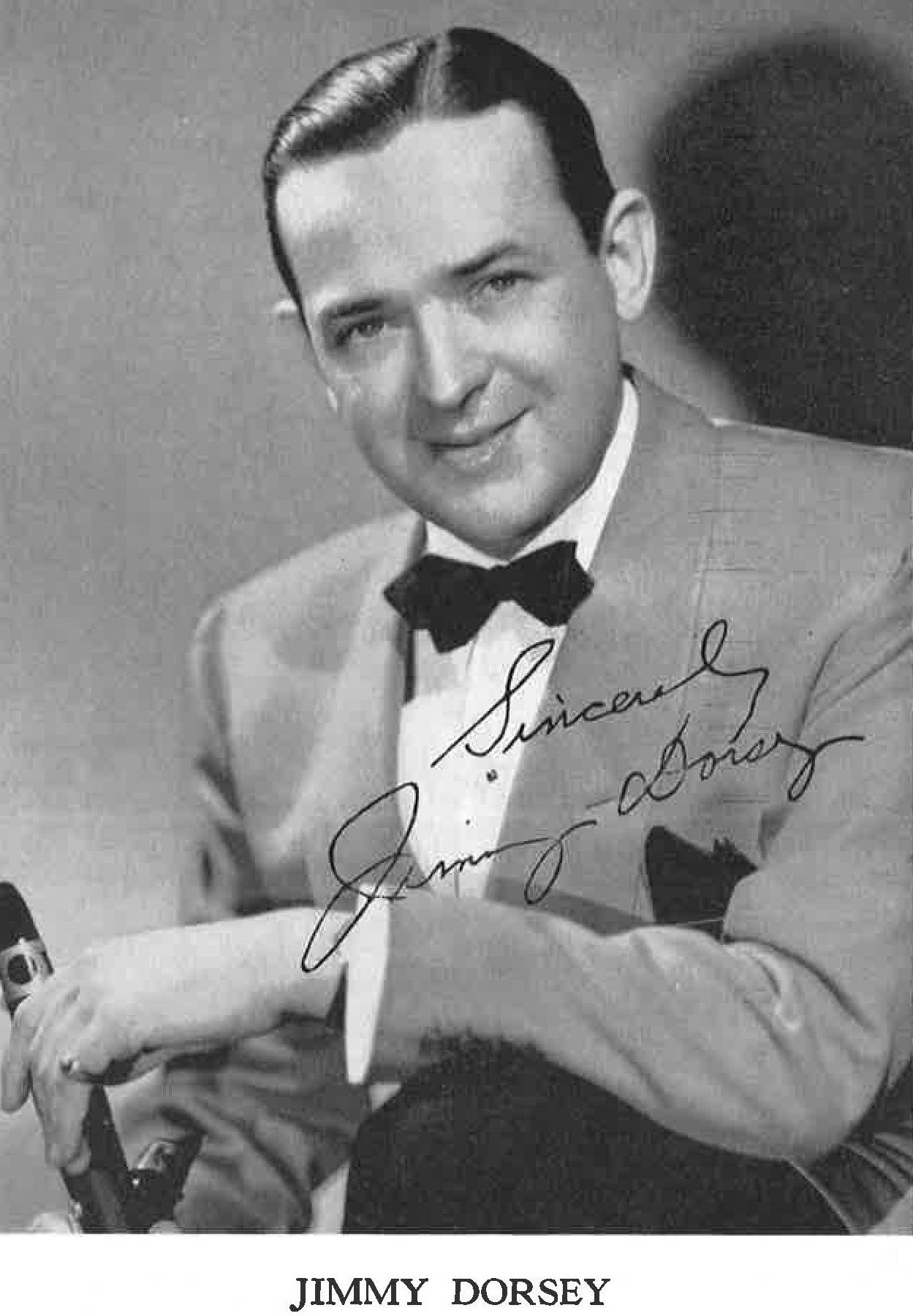
Jimmy Dorsey’s contributions to American jazz are undeniable, with a repertoire of songs that have stood the test of time. Among his most famous compositions are “I’m Glad There Is You (In This World of Ordinary People)” and “It’s the Dreamer in Me”, both of which have become jazz and pop standards. These songs showcase Dorsey’s skill as a composer and his ability to craft melodies that are both catchy and enduring.
| Biography Aspect | Details |
|---|---|
| Full Name | James Francis Dorsey |
| Date of Birth | February 29, 1904 |
| Age | 53 years (at death) |
| Place of Birth | Shenandoah, Iowa, United States |
| Nationality | American |
| Occupation | Jazz Clarinetist, Saxophonist, Composer, Big Band Leader |
| Notable Works / Achievements | “I’m Glad There Is You (In This World of Ordinary People)”, “It’s the Dreamer in Me”, “Singin’ the Blues”, “Georgia on My Mind” |
| Date of Death | June 12, 1957 |
| Notable Recordings | “Tailspin”, “John Silver”, “So Many Times”, “Amapola”, “Brazil (Aquarela do Brasil)”, “Pennies from Heaven” with Bing Crosby, Louis Armstrong, and Frances Langford, “Grand Central Getaway”, “So Rare” |
In addition to his original compositions, Dorsey was also a skilled arranger and performer. He played clarinet on the seminal jazz standard “Singin’ the Blues” in 1927, a song that has since been inducted into the Grammy Hall of Fame. Dorsey’s work on this song, along with his original recording of “Georgia on My Mind” in 1930, demonstrates his mastery of the jazz idiom and his ability to create music that is both timeless and influential.
Dorsey’s collaborations with other artists also yielded some notable recordings. He worked with Bing Crosby on “Pennies from Heaven”, a song that features the vocals of Crosby, Louis Armstrong, and Frances Langford. This song, along with others like “Grand Central Getaway” and “So Rare”, showcases Dorsey’s ability to create music that is both catchy and memorable.
Collaborations and Recordings with Legendary Artists
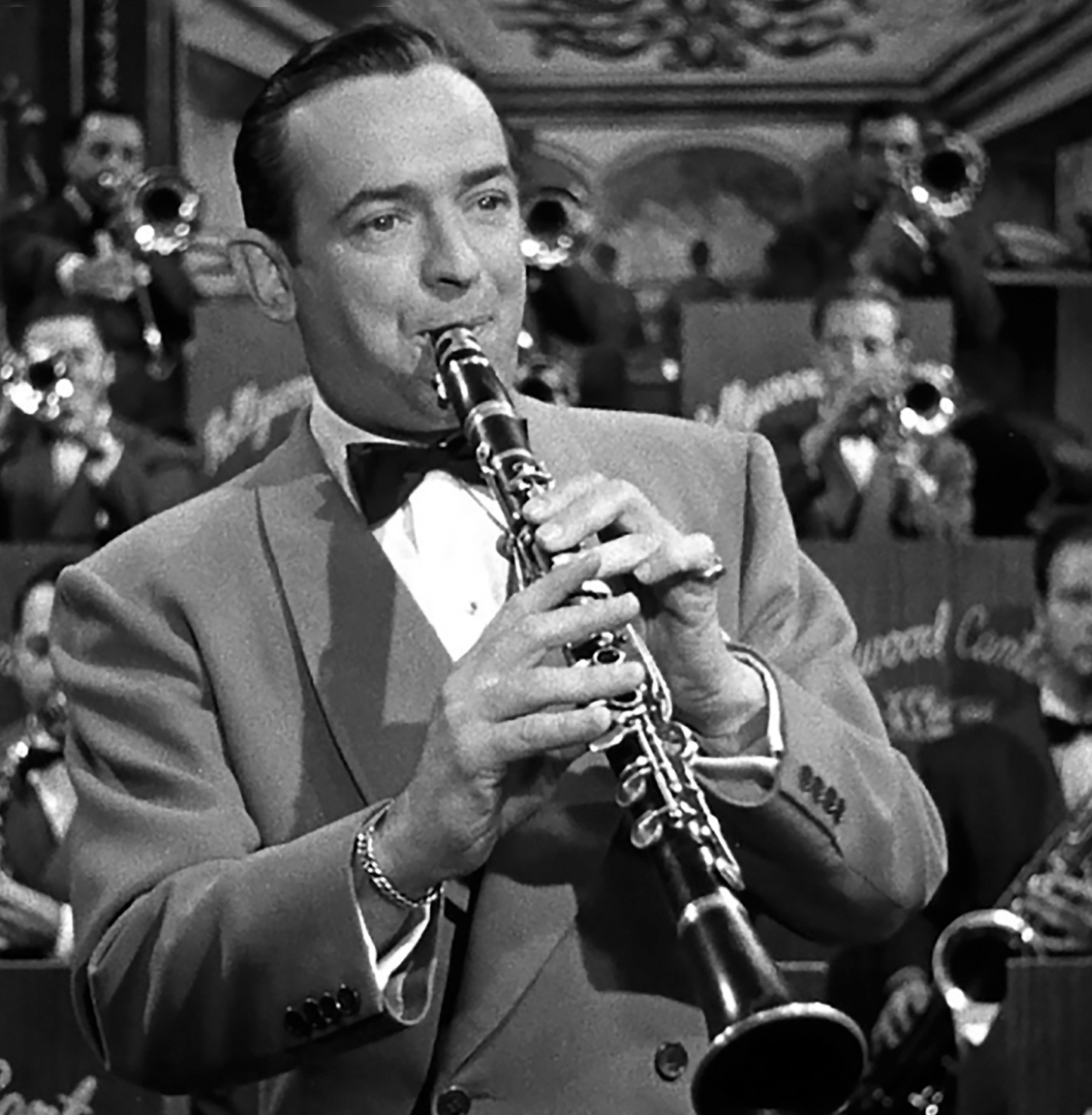
Jimmy Dorsey’s collaborations with legendary artists are a testament to his enduring influence on the jazz genre. One notable collaboration was with Bing Crosby on the recording of “Pennies from Heaven”. This iconic song, released in 1936, showcased Dorsey’s ability to craft memorable melodies that blended seamlessly with the vocals of his contemporaries. The song’s success can be attributed to the harmonious blend of Dorsey’s orchestral arrangements and Crosby’s smooth vocals.
Dorsey’s work with Louis Armstrong and Frances Langford is also worth mentioning. His orchestral arrangements on Armstrong’s “Singin’ the Blues” in 1927 and Langford’s recordings with him are a testament to his skill as a composer and arranger. These collaborations not only highlighted Dorsey’s ability to create memorable melodies but also demonstrated his capacity to adapt to different vocal styles. The seminal jazz standard “Georgia on My Mind”, which Dorsey played clarinet on in 1930, is another notable example of his work with legendary artists. This song, inducted into the Grammy Hall of Fame, remains a timeless classic in the jazz repertoire.
Legacy in Jazz and Music Industry
Jimmy Dorsey’s influence on the jazz genre is undeniable, with his unique clarinet and saxophone playing style leaving a lasting impression on the music world. As a masterful clarinetist and saxophonist, he brought a distinctive sound to the jazz scene, which paved the way for future generations of musicians. His innovative approach to playing the clarinet, in particular, helped to shape the sound of jazz in the 1920s and 1930s.
Indelible Mark on the Music Industry
Dorsey’s contributions to the music industry extend beyond his own performances and compositions. His big band, led by his brother Tommy, was one of the most popular and influential of its time, featuring a unique blend of jazz, pop, and classical music. The band’s success helped to establish the big band sound as a staple of American music, and Dorsey’s compositions, such as “I’m Glad There Is You (In This World of Ordinary People)” and “It’s the Dreamer in Me,” remain beloved jazz standards to this day. His legacy in the music industry is a testament to his enduring impact on the jazz genre and his ability to inspire future musicians.
Personal Life and Later Years
Jimmy Dorsey’s personal life was marked by a significant marriage to Polly Dorsey, whom he wed in 1922. The couple remained together until his passing in 1957. However, Jimmy’s life was not without personal struggles. He was known to have a troubled relationship with his brother, Tommy Dorsey, with whom he frequently clashed over musical and professional differences.
Despite these personal struggles, Jimmy continued to thrive in the music industry. His later years were marked by a continued output of music, including collaborations with other notable artists. However, his health began to decline in the mid-1950s. Jimmy Dorsey passed away on June 12, 1957, at the age of 53, due to complications from lung cancer. His passing was a significant loss to the jazz community, and his legacy continues to be celebrated by fans of the genre.

