







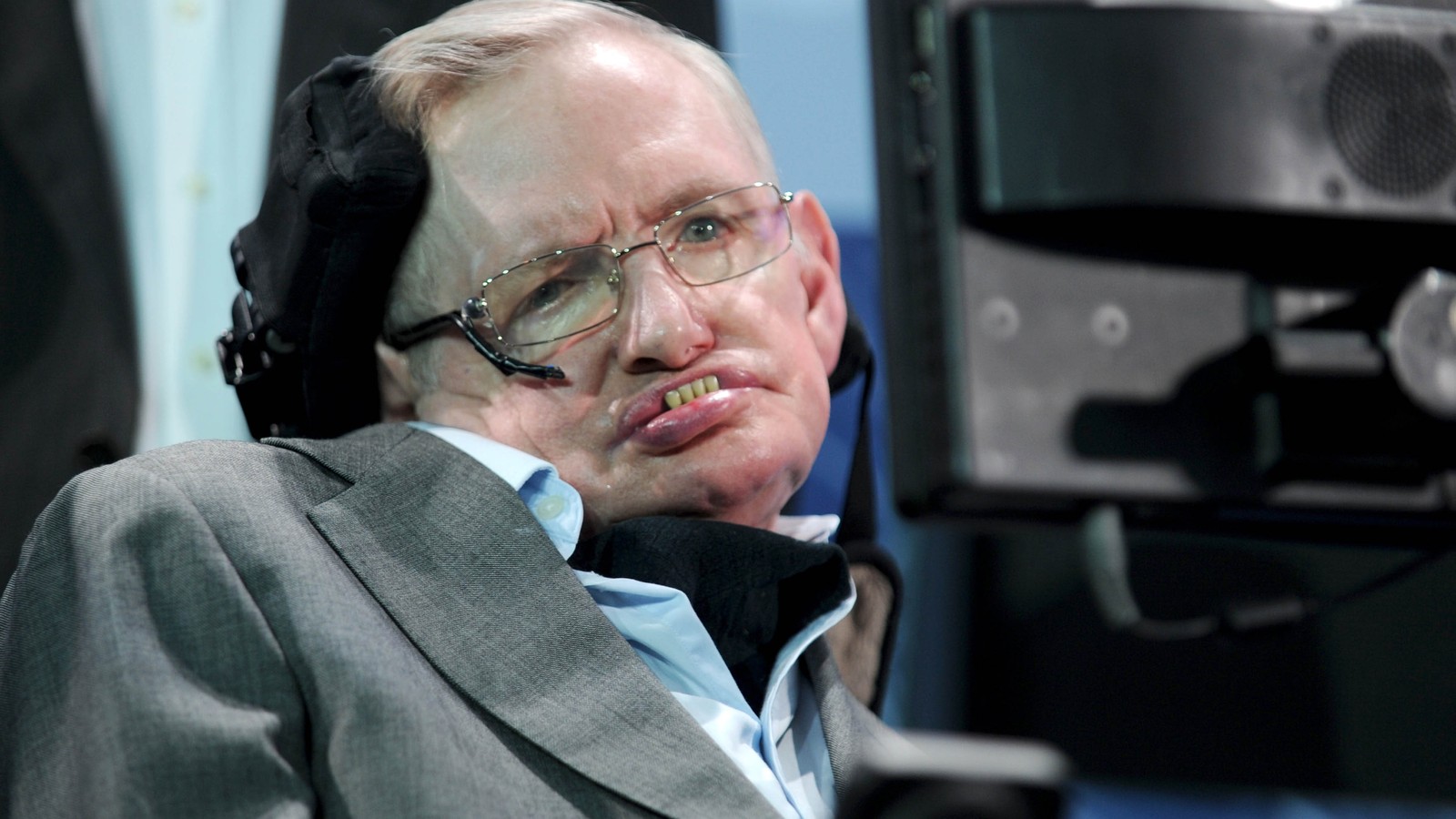
Stephen Hawking was a trailblazing English theoretical astrophysicist and cosmologist who left an indelible mark on the world of science. Born on January 8, 1942, Hawking defied the odds of a debilitating motor neuron disease, living a remarkable life that spanned over 76 years. With a net worth estimated to be around $20 million, Hawking’s career was marked by numerous accolades, including his appointment as the Lucasian Professor of Mathematics at the University of Cambridge, a position previously held by Sir Isaac Newton. His groundbreaking work in cosmology and theoretical physics continues to inspire and captivate audiences worldwide, cementing his legacy as one of the greatest minds of our time.
A Life of Physics and Academia
Stephen Hawking was born in Oxford into a family of physicians. His father, a renowned medical researcher, and his mother, a nurse, instilled in him a strong foundation for a career in science. Hawking’s early life in Oxford laid the groundwork for his future academic pursuits. He began his university education at University College, Oxford, where he received a first-class BA degree in physics at the age of 17.
Hawking’s academic journey continued at Trinity Hall, Cambridge, where he began his graduate work in 1962. He obtained his PhD in applied mathematics and theoretical physics in 1966, specialising in general relativity and cosmology. This period of intense academic study and research marked the beginning of Hawking’s esteemed career in theoretical physics.
Hawking’s family background and educational pursuits set the stage for his future achievements in the field of physics. His early life and academic experiences laid the foundation for his later success as a renowned theoretical physicist and cosmologist.
Groundbreaking Theories and Research
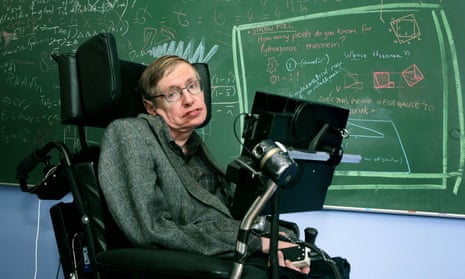
Stephen Hawking’s work on general relativity and cosmology revolutionized our understanding of the universe. His contributions to the field of cosmology led to a deeper understanding of the origins and evolution of the cosmos. Hawking’s work on black holes, in particular, challenged the conventional wisdom of the time. He proposed that black holes emit radiation, now known as Hawking radiation, which is a result of virtual particles that are “created” from the energy of the black hole itself.
Hawking’s research on black holes also led to the development of the no-boundary proposal, a theory that suggests the universe had no boundaries in the beginning and had no singularities. This proposal, which was first introduced in 1982, has had a significant impact on our understanding of the origins of the universe. Hawking’s work on black holes and cosmology has been widely recognized and has had a lasting impact on the field of theoretical physics.
Hawking’s work on black holes and cosmology has also led to a deeper understanding of the relationship between space and time. His research has shown that space and time are not separate entities, but are intertwined as a single entity known as spacetime. This understanding has had a significant impact on our understanding of the universe and has led to new areas of research in theoretical physics.
Academic Career and Prestigious Posts
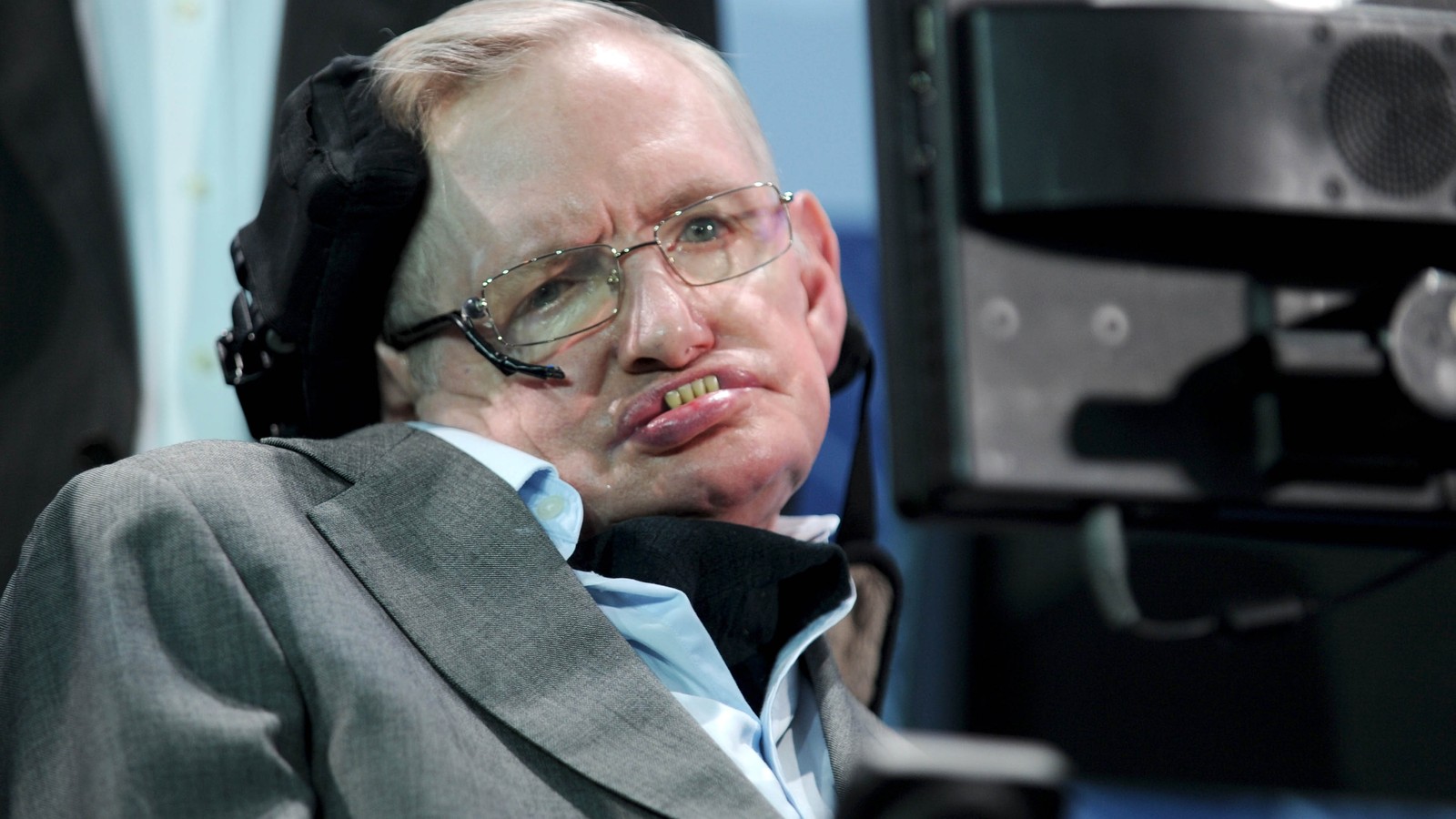
Stephen Hawking held the prestigious position of Lucasian Professor of Mathematics at the University of Cambridge from 1979 to 2009. This esteemed post is widely regarded as one of the most prestigious academic appointments in the world. Hawking’s work in theoretical physics and cosmology earned him this esteemed position, solidifying his reputation as a leading figure in the field. The Lucasian Professorship is a title that has been held by other notable mathematicians and scientists, including Isaac Newton.
| Biography Aspect | Details |
|---|---|
| Full Name | Stephen William Hawking |
| Date of Birth | 8 January 1942 |
| Age | 76 years (at death) |
| Place of Birth | Oxford, England |
| Nationality | English |
| Occupation | Theoretical Astrophysicist, Cosmologist, Author |
| Education | University College, Oxford (BA in Physics), Trinity Hall, Cambridge (PhD in Applied Mathematics and Theoretical Physics) |
| Notable Works / Achievements | A Brief History of Time, Director of Research at the Centre for Theoretical Cosmology at the University of Cambridge |
| Spouse / Partner | Jane Wilde Hawking (married 1965-1995), Elaine Mason (married 1995-2006) |
| Children | 3 children (Robert, Lucy, and Timothy) |
| Lucasian Professor of Mathematics | 1979-2009 |
In addition to his role as Lucasian Professor, Hawking was also the director of research at the Centre for Theoretical Cosmology at the University of Cambridge. This position allowed him to lead a team of researchers in exploring the mysteries of the universe, including the nature of black holes and the origins of the cosmos. Hawking’s work in cosmology was groundbreaking, and his research collaborations with other scientists, such as Roger Penrose, significantly advanced our understanding of the universe.
Hawking’s research collaborations with other scientists, including Roger Penrose, were particularly notable. Together, they made significant contributions to our understanding of the universe, including the discovery of the Hawking radiation and the no-boundary proposal. These findings have had a lasting impact on the field of cosmology and continue to shape our understanding of the universe today.
Battling Motor Neuron Disease
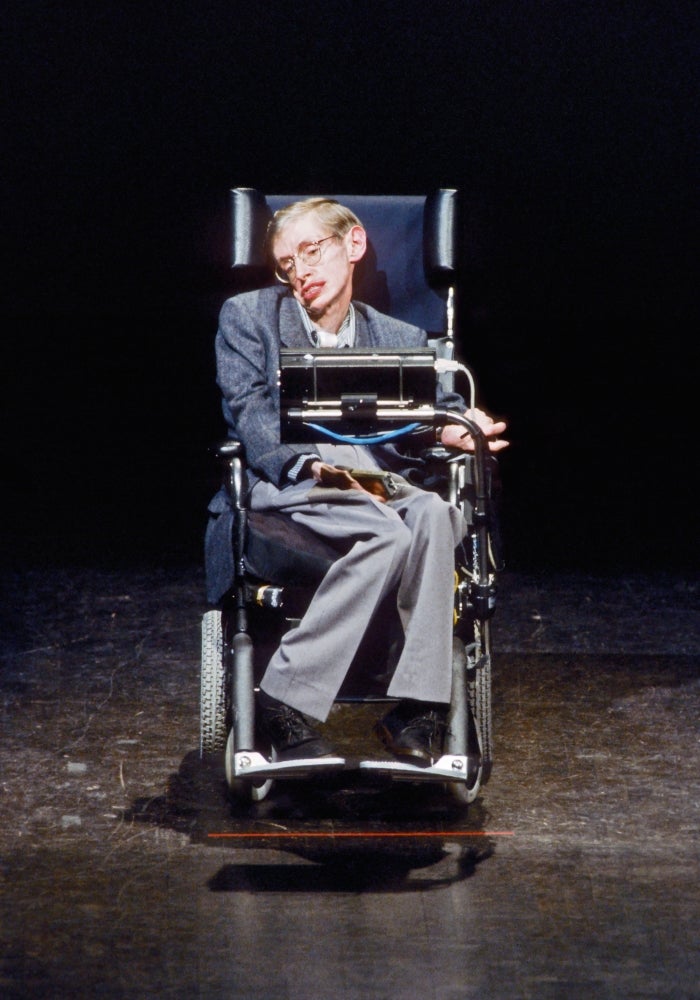
At the age of 21, Stephen Hawking was diagnosed with a motor neuron disease, which would later be identified as amyotrophic lateral sclerosis (ALS). ALS is a progressive and incurable condition that affects nerve cells in the brain and spinal cord, leading to muscle weakness and paralysis. Hawking’s diagnosis was a significant blow to his plans for the future, but he refused to let it define him.
Despite the challenges posed by his condition, Hawking continued to work tirelessly in the field of theoretical physics and cosmology. He became increasingly reliant on a speech-generating device and a wheelchair, but his brilliant mind remained unaffected. Hawking’s determination and resilience in the face of adversity inspired countless people around the world, and his work continued to push the boundaries of human knowledge.
The progression of Hawking’s motor neuron disease had a profound impact on his daily life, but it did not slow him down. He continued to write and publish groundbreaking research, including his famous work on black holes and Hawking radiation. Hawking’s remarkable story serves as a testament to the power of the human spirit and the importance of pursuing one’s passions, no matter the obstacles that may arise.
Writing and Media Presence
Stephen Hawking’s writing career flourished with the publication of his best-selling book, A Brief History of Time, in 1988. This groundbreaking work of non-fiction explained complex theoretical physics and cosmology concepts in an accessible manner, making it a huge success worldwide. The book spent 237 weeks at the top of the British Sunday Times best-seller list and was translated into more than 40 languages.
Hawking continued to write extensively throughout his career, publishing several other notable books, including The Universe in a Nutshell in 2001 and A Briefer History of Time in 2005. These works further solidified his reputation as a master communicator of complex scientific concepts. In addition to his writing, Hawking also made numerous appearances in TV shows and documentaries, including the popular TV series Star Trek: The Next Generation and the documentary film The Theory of Everything, which was based on his life and career.
Hawking’s media presence extended beyond television and film. He was a frequent guest on various talk shows, including The Simpsons, and was featured in numerous news articles and interviews. His charismatic and witty personality made him a compelling figure in the public eye, and his ability to communicate complex scientific concepts in an engaging and accessible way endeared him to audiences worldwide.
Personal Life and Relationships
Stephen Hawking’s personal life was marked by a long and devoted marriage to Jane Wilde, whom he met in 1963 while attending a party at the home of a mutual friend. They married in 1965, and their union produced three children: Robert, Lucy, and Timothy. The couple’s relationship was tested by Hawking’s diagnosis with a motor neuron disease, but they remained together until their divorce in 1995.
Hawking’s relationship with his children was a significant source of comfort and support throughout his life. His children often helped him with his daily needs, and they played an important role in his personal life. Despite the challenges posed by his illness, Hawking’s family remained a constant source of love and support.
In 1995, Hawking married Eleanor “Jenny” Hawking, his nurse and caregiver, whom he met while she was caring for him. This marriage lasted until his passing in 2018. Throughout his life, Hawking’s relationships with his family and loved ones played a vital role in his personal and emotional well-being.
Legacy and Impact on Science
Stephen Hawking’s influence on popular culture was profound, making complex scientific concepts accessible to a broad audience. His bestselling book A Brief History of Time, published in 1988, became an international phenomenon, selling over 10 million copies worldwide. This book, along with others such as The Universe in a Nutshell, helped to popularize cosmology and theoretical physics, inspiring a new generation of scientists and science enthusiasts.
Hawking’s contributions to science education were significant, particularly through his ability to communicate complex ideas in simple terms. He was a prolific writer and appeared in numerous TV shows and documentaries, making science more engaging and entertaining for a wide range of audiences. His work on Hawking radiation, a theoretical prediction of black hole behavior, was a notable example of his ability to simplify complex scientific concepts.
Hawking’s lasting impact on theoretical physics and cosmology is undeniable. As the Lucasian Professor of Mathematics at the University of Cambridge, he was widely regarded as one of the most prestigious academic posts in the world. His work on black holes and the origins of the universe continues to shape our understanding of the cosmos, inspiring new areas of research and inquiry. His legacy serves as a testament to the power of human curiosity and the importance of pursuing knowledge, even in the face of adversity.