








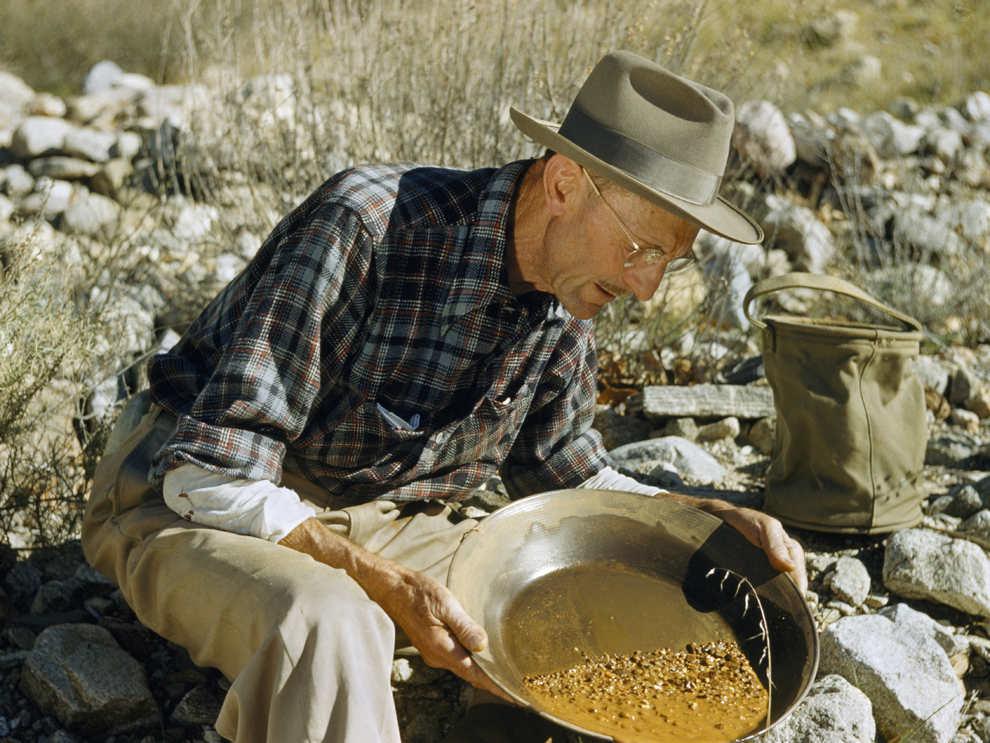
The Gold Rush, a phenomenon that swept the globe in the 19th century, was a discovery of gold that brought an influx of miners seeking their fortune. This era of gold fever saw major rushes take place in Australia, Greece, Venezuela, New Zealand, Brazil, Chile, South Africa, the United States, and Canada, while smaller rushes occurred elsewhere. The resulting wealth distribution was widespread due to reduced migration costs and low barriers to entry, with some individuals making large fortunes and merchants and transportation facilities reaping substantial profits. The global impact of the Gold Rush was significant, stimulating global trade and investment with the increased world’s gold supply.
The Discovery and Onrush of Miners
The discovery of gold sparked a frenzy of excitement that would spread across the globe. Major gold rushes took place in the 19th century, with numerous regions experiencing a surge in mining activity. The initial excitement was palpable as news of the discovery spread, drawing in prospectors and adventurers from far and wide. The allure of striking it rich proved too great to resist, and soon, an onrush of miners began to seek their fortune.
As the news of gold discoveries reached different parts of the world, a rapid influx of miners followed. The sheer number of people flocking to mining areas was staggering, with many regions experiencing a significant increase in population. The gold rushes in various regions, such as Australia, Greece, and the United States, drew in miners from different backgrounds, creating a melting pot of cultures and experiences. The prospect of finding gold and making a fortune brought people together, but it also created challenges and tensions as they competed for resources and space.
The initial excitement and rapid influx of miners set the stage for the gold rush phenomenon, which would go on to shape the course of history. The discovery of gold and the subsequent rush of miners to mining areas marked the beginning of a new era, one that would be characterized by opportunity, adventure, and uncertainty. As the gold rush gained momentum, it would draw in people from all walks of life, creating a global phenomenon that would leave a lasting impact on the world.
Global Gold Rushes: A 19th-Century Phenomenon
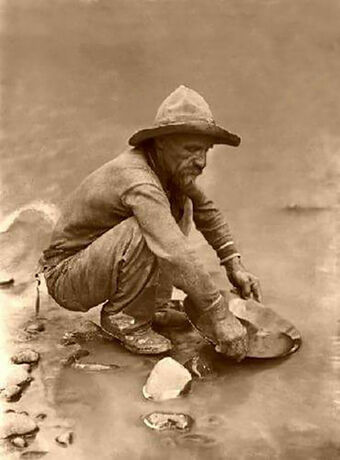
The 19th century witnessed a series of significant gold rushes that captivated the imagination of people around the world. One of the most notable gold rushes took place in Australia, where the discovery of gold in 1851 led to a massive influx of miners, with some estimates suggesting that over 500,000 people arrived in the country in search of their fortune. The Australian gold rush was marked by the establishment of new towns and cities, including Ballarat and Bendigo, which became major centers for gold mining.
In Greece, the gold rush of 1848 led to the discovery of significant gold deposits in the region of Kastoria. The gold rush in Venezuela began in the 1850s, with the discovery of gold in the state of Bolivar. New Zealand also experienced a gold rush in the 1860s, with the discovery of gold in the South Island. The gold rush in Brazil took place in the 1690s, but it was not until the 19th century that it gained significant momentum. Chile experienced a gold rush in the 1830s, with the discovery of gold in the region of Copiapo. South Africa also witnessed a significant gold rush in the late 19th century, with the discovery of gold in the Witwatersrand region.
In the United States, the gold rush of 1848 at Sutter’s Mill in California led to a massive influx of miners, with some estimates suggesting that over 300,000 people arrived in the state in search of their fortune. The gold rush in Canada took place in the 1850s and 1860s, with the discovery of gold in the provinces of Ontario and Quebec. The gold rushes in these countries had a profound impact on the development of the regions, leading to the establishment of new towns and cities, and the growth of the mining industry.
Wealth Distribution and the Rise of Merchants

The gold rush of the 19th century had a profound impact on the distribution of wealth, largely due to reduced migration costs and low barriers to entry. Many people, including those from modest backgrounds, were able to travel to gold-rich areas and stake their claim, resulting in a relatively wide distribution of wealth. This was a significant departure from the traditional aristocratic and landed gentry-dominated societies of the time.
| Biography Aspect | Details |
|---|---|
| Subject | Gold Rush |
| Date of Discovery | 19th century |
| Place of Discovery | Australia, Greece, Venezuela, New Zealand, Brazil, Chile, South Africa, the United States, and Canada |
| Occupation | Miner |
| Notable Works / Achievements | Major gold rushes in the 19th century |
| Net Worth | Varies (dependent on individual miner’s success) |
| Other Relevant Details | Reduced migration costs and low barriers to entry in the 19th century |
As the gold rush progressed, merchants and transportation facilities began to reap large profits. The demand for supplies and equipment was high, and entrepreneurs were quick to capitalize on this demand. They established businesses that catered to the needs of miners, providing everything from food and clothing to tools and equipment. The profits made by these merchants and transportation facilities were substantial, and they played a significant role in shaping the economy of the regions affected by the gold rush.
The increase in the world’s gold supply also stimulated global trade and investment. As gold became more widely available, its value decreased, making it more accessible to people around the world. This, in turn, led to an increase in international trade, as countries sought to take advantage of the lower gold prices. The gold rush had a profound impact on the global economy, shaping the course of trade and investment for decades to come.
Stimulating Global Trade and Investment

The increase in the world’s gold supply had a profound impact on global trade and investment. The resulting surge in gold availability stimulated international commerce, as merchants and traders sought to capitalize on the newfound wealth. As the global gold supply grew, so did the demand for goods and services, driving economic growth and expansion. This, in turn, created new opportunities for investment, as entrepreneurs and investors sought to tap into the lucrative gold market.
The increased gold supply also had a profound impact on the global financial system. The rise of gold-backed currencies and the growth of international trade facilitated the expansion of global commerce. As countries accumulated gold reserves, they were able to establish a stable currency, which in turn facilitated trade and investment. This, in turn, led to the growth of international trade, as countries were able to engage in more complex and lucrative transactions.
The impact of the increased gold supply on global trade and investment was far-reaching. The growth of international trade and investment led to the establishment of new trade routes, the development of new industries, and the creation of new economic opportunities. As the global economy expanded, so did the opportunities for growth and development, shaping the course of history and laying the foundation for the modern global economy.
Legacy of the Gold Rush
The lasting impact of the gold rush on the economy, society, and the environment is a complex and multifaceted phenomenon. The gold rush led to a significant increase in the world’s gold supply, which in turn stimulated global trade and investment. This influx of new wealth had a profound impact on the development of modern capitalism, as it created new opportunities for investment and entrepreneurship.
In the long term, the gold rush also had a lasting impact on the environment. The widespread use of mercury and other toxic substances in gold mining led to significant environmental degradation, including the contamination of waterways and soil. This has had long-lasting consequences for the health and well-being of local communities, and has also had a significant impact on the global environment. Additionally, the gold rush led to the displacement of indigenous communities and the destruction of their traditional ways of life.
The gold rush also had a profound impact on the social and cultural landscape of the regions affected by it. The influx of new people and the creation of new communities led to the development of new social norms and cultural practices, including the emergence of new forms of entertainment and leisure. However, the gold rush also led to significant social and economic inequalities, as those who were successful in the goldfields accumulated vast amounts of wealth, while those who were not were often left with little more than poverty and hardship.
Historical Significance and Impact
The gold rush holds a significant place in history, marking a pivotal moment in the development of modern economies. The widespread distribution of wealth that resulted from the gold rush had a lasting impact on the social and economic fabric of the communities involved. As people from various backgrounds flocked to mining areas, they brought with them new ideas, skills, and perspectives, contributing to the growth and diversification of local economies.
The gold rush also played a crucial role in shaping the global economy. The increase in the world’s gold supply, which was a direct result of the gold rush, stimulated global trade and investment. This, in turn, facilitated the growth of international commerce and the expansion of global markets. The gold rush’s influence can be seen in the development of modern financial systems, including the establishment of central banks and the creation of new financial instruments.
The gold rush’s impact on future economic and social developments cannot be overstated. The experience of the gold rush laid the groundwork for the modern concept of entrepreneurship and the idea of investing in new opportunities. This mindset has had a lasting impact on the way people approach business and finance, shaping the course of economic history in profound ways. The gold rush’s legacy continues to be felt today, influencing the way we think about wealth creation, economic development, and the role of innovation in shaping the future.