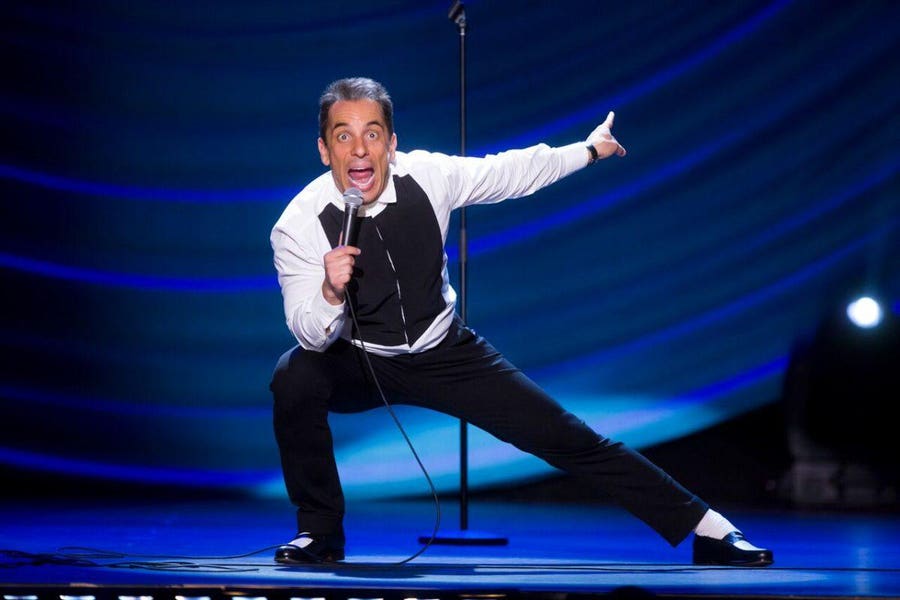








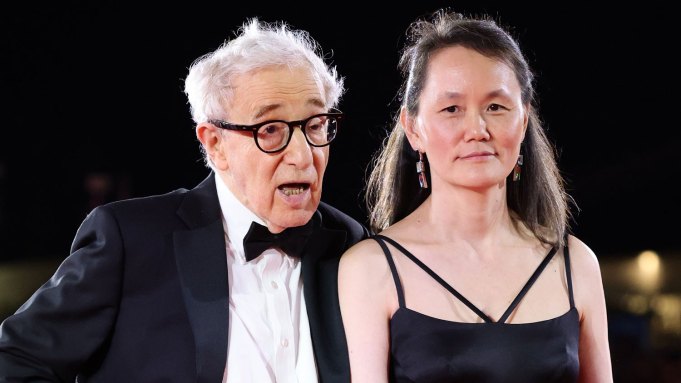
Woody Allen, born Allan Stewart Konigsberg on December 1, 1935, in the Bronx, New York, is an iconic American stand-up comedian, screenwriter, director, actor, and playwright whose neurotic, intellectual humor defined mid-20th-century comedy before he became one of cinema’s most prolific auteurs. Starting in the 1950s as a television writer and nightclub comic, he transitioned to stand-up in the early 1960s with sharp, self-deprecating monologues that landed him on The Tonight Show and led to three comedy albums. He then revolutionized film comedy with classics like Annie Hall (1977, four Oscars including Best Picture and Director), Manhattan (1979), Hannah and Her Sisters (1986), and Midnight in Paris (2011). As of January 2026, Allen, now 90, has released no new film since Coup de Chance (2023, shot in France, his 50th feature), remains largely retired from directing, and lives quietly in New York and Europe amid ongoing controversies. His early stand-up albums and TV writing remain influential—see his Wikipedia page and IMDb profile for full credits.
Early Life
Woody Allen grew up in Brooklyn and Midwood, showing early talent as a joke writer. By age 15 he was selling one-liners to gossip columnists, and at 19 he joined Sid Caesar’s writers’ room for Your Show of Shows (1950s), working alongside Mel Brooks, Carl Reiner, and Neil Simon. He wrote for The Tonight Show (Jack Paar era) and other variety programs before debuting as a stand-up comedian in 1960 at the Blue Angel in New York.
His nightclub act—nervous, intellectual, self-mocking—featured stories of anxiety, relationships, and urban absurdity, delivered in a distinctive stammering style. He released three comedy albums: The Floating Light Bulb (wait—no—his actual LPs were Woody Allen (1964), Woody Allen Volume 2 (1965), and Woody Allen Volume 3 (live at Mr. Kelly’s, 1965). These captured his rapid-fire wit and influenced generations of neurotic comedy.
Allen shifted to film in the mid-1960s, writing and starring in What’s Up, Tiger Lily? (1966) and directing his first feature, Take the Money and Run (1969). His peak creative period (1970s–1980s) produced masterpieces blending comedy and drama: Annie Hall, Manhattan, Stardust Memories, Broadway Danny Rose, The Purple Rose of Cairo, Hannah and Her Sisters, and Crimes and Misdemeanors.
Woody Allen Stand-Up Legacy & Comedy Albums
Though he stopped performing stand-up in the late 1960s to focus on film, Allen’s nightclub persona—nebbish, overthinking everyman—became the template for his on-screen characters. His albums remain cult favorites for their clever wordplay, absurd premises, and existential humor.
Key releases include the 1964 self-titled album (Grammy-nominated), Volume 2 (more polished bits on relationships and death), and Volume 3 (live club recording with crowd interaction). Clips and excerpts are available on YouTube and streaming platforms, preserving his early voice.
Filmmaking Career: 50 Features & Signature Style
Allen wrote and/or directed 50 theatrical features, often starring himself in early works. He won four Oscars (three for writing, one for directing) and was nominated 24 times. Later films include Match Point (2005, dramatic shift), Vicky Cristina Barcelona (2008), Midnight in Paris (2011, biggest box-office hit), Blue Jasmine (2013), and A Rainy Day in New York (2019, Amazon dispute).
His final film to date, Coup de Chance (2023), a French-language thriller shot in Paris, received positive reviews but limited U.S. release due to ongoing controversies.
Comedy Style: Neurotic, Intellectual & Self-Deprecating
Woody Allen pioneered neurotic intellectual comedy—anxious rants on death, sex, relationships, psychoanalysis, and existential dread, delivered with stammering precision and literary references. His humor is self-deprecating yet confident, blending highbrow allusions with slapstick and absurdity.
This style defined 1970s New Hollywood comedy and influenced Larry David, Jerry Seinfeld, Louis C.K., and countless others. Even in later dramatic works, traces of his comedic voice remain.
Controversies & Later Years
Allen’s career has been overshadowed by allegations of sexual abuse against his adopted daughter Dylan Farrow (first raised in 1992, reiterated publicly in 2014 and beyond). He has consistently denied the claims, calling them false; no criminal charges were ever filed. The controversy led to limited U.S. distribution for later films and public debate over separating art from artist.
As of January 2026, Allen lives privately in New York and Europe with wife Soon-Yi Previn (married 1997), rarely gives interviews, and has stated he is unlikely to direct again due to age and industry shifts.
Woody Allen Key Projects & Milestones Comparison Table
| Project / Milestone Type | Key Details and Highlights |
|---|---|
| Stand-Up Albums (1964–1965) | Three LPs: Woody Allen, Volume 2, Volume 3 (live); Grammy-nominated; captured nightclub persona |
| Annie Hall (1977) | Best Picture, Best Director Oscars; redefined romantic comedy; semi-autobiographical |
| Manhattan (1979) | Love letter to New York; iconic black-and-white cinematography; Gershwin score |
| Hannah and Her Sisters (1986) | Best Original Screenplay Oscar; ensemble masterpiece |
| Midnight in Paris (2011) | Highest-grossing film; nostalgic fantasy; Oscar for Best Original Screenplay |
| Coup de Chance (2023) | 50th feature; French-language thriller; positive reviews; limited U.S. release |
| What’s Up, Tiger Lily? (1966) | First film as director; re-dubbed Japanese spy movie with comedic narration |
| Take the Money and Run (1969) | Directorial debut; mockumentary crime comedy |
| Radio & TV Writing (1950s) | Your Show of Shows, The Tonight Show; early joke-writing career |
| Play It Again, Sam (1972) | Stage play turned film; homage to Casablanca |
| Four Oscars (1977–2012) | Best Picture, Director, Original Screenplay (x3); 24 total nominations |
Woody Allen remains one of comedy and cinema’s most influential figures—his neurotic voice, witty scripts, and visual style continue to inspire debate and admiration. Explore his early albums on streaming, watch classics like Annie Hall or Midnight in Paris, or read his memoir Apropos of Nothing (2020) for his perspective. His body of work endures as a cornerstone of American humor and film.