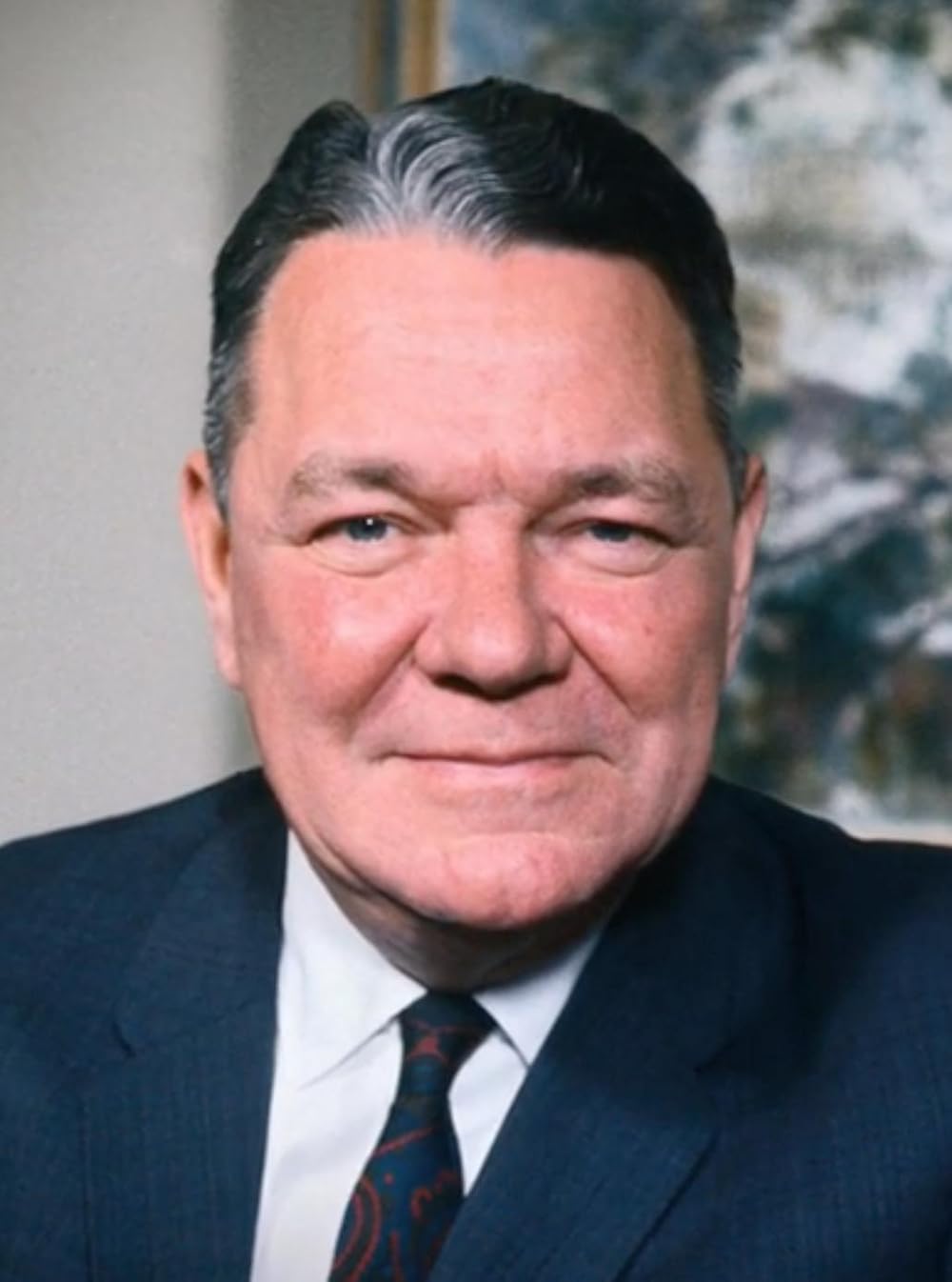









John A. King was a prominent figure in American politics, serving as a statesman and leader for over four decades. Born on January 3, 1788, King’s life spanned a pivotal period in American history, including the War of 1812, where he served as a lieutenant of cavalry. The son of Rufus King, a notable diplomat, John King’s early life was marked by education in Europe and a family homestead in Jamaica, Queens. He went on to hold various positions, including six terms as an assemblyman, and his net worth, though not publicly disclosed, reflects his successful career in politics.
Early Life and European Education
During his time in Europe, John A. King received a solid education that would serve him well in his future endeavors. His family’s connections and experiences living in Europe likely had a profound impact on his worldview and shaped his perspective on the world. The experiences and influences he gained during this period would stay with him throughout his life, informing his decisions and actions as he navigated the complexities of politics and public service.
John A. King’s family homestead was located in Jamaica, Queens, a place where he would later return to farm after serving in the War of 1812. This connection to his family’s land and legacy would remain an important part of his identity, providing a sense of roots and continuity in the midst of a life marked by change and adventure.
War of 1812 Service and Post-War Life

John A. King’s experiences during the War of 1812 had a lasting impact on his life. As a lieutenant of cavalry, he demonstrated his bravery and commitment to his country. After the war, King relocated to Jamaica, Queens, where his family had a homestead. He chose to pursue a life of agriculture, farming the land that had been in his family for generations. This decision allowed him to connect with the land and the community, shaping his future endeavors.
King’s time in Jamaica was not only marked by his farming endeavors but also by his personal growth. He developed a deep appreciation for the land and the people who lived there. This experience would later influence his decisions as he became more involved in local politics. King’s decision to farm in Jamaica also allowed him to maintain a connection to his family’s history and legacy.
As King continued to live in Jamaica, he established himself as a respected member of the community. His experiences as a farmer and a veteran of the War of 1812 had given him a unique perspective on life. He was able to draw on these experiences as he navigated the challenges and opportunities of post-war life. King’s time in Jamaica was a pivotal moment in his development as a person and a leader, shaping the course of his life in profound ways.
Politics and Public Service

John A. King’s career in politics spanned several decades, marked by his dedication to public service and leadership. He served as a lieutenant of cavalry during the War of 1812, but this section will focus on his subsequent career in politics. King held various positions, including six terms as an assemblyman, demonstrating his commitment to serving the community. This experience likely laid the groundwork for his future endeavors in politics.
| Biography Aspect | Details |
|---|---|
| Full Name | John Alsop King |
| Date of Birth | January 3, 1788 |
| Age | 79 years (at death) |
| Place of Birth | New York City |
| Nationality | American |
| Occupation | Politician, Statesman |
| Education | Educated in Europe |
| Notable Works / Achievements | Served as a lieutenant of cavalry, six terms as an assemblyman |
| Career Highlights | War of 1812, farming, politician |
| Family | Son of Rufus King |
| Residence | Jamaica, Queens |
King’s tenure as an assemblyman was just one aspect of his distinguished career. He also held other notable positions, but the specifics of these roles are not mentioned in the provided information. However, it is clear that King’s time in politics was marked by a strong sense of duty and a desire to serve the public. His leadership style and notable policies are discussed in other sections of this article, providing a more comprehensive understanding of his impact on the community.
King’s contributions to the community are a testament to his dedication to public service. His six terms as an assemblyman demonstrate his commitment to serving the public and his ability to effectively represent the community. While the specifics of his other positions are not mentioned, it is clear that King’s time in politics was marked by a strong sense of duty and a desire to make a positive impact on the community.
Leadership and Legacy

John A. King’s leadership style was characterized by his unwavering commitment to the betterment of his community. As a prominent American politician and statesman, he played a pivotal role in shaping the future of New York City. His tenure as an assemblyman, spanning six terms, demonstrated his dedication to public service and his ability to effectively represent the interests of his constituents.
Notable Policies and Initiatives
King’s leadership was marked by several notable policies and initiatives that had a lasting impact on the community. He was a strong advocate for education and infrastructure development, recognizing the importance of these sectors in driving economic growth and improving the quality of life for residents. His efforts led to significant investments in education and infrastructure, which continue to benefit the community to this day. King’s commitment to these causes was a testament to his vision for a brighter future and his willingness to work tirelessly to achieve it.
A Lasting Legacy
John A. King’s legacy extends far beyond his time in office. His contributions to the community have had a lasting impact, shaping the course of history and inspiring future generations of leaders. His commitment to public service, education, and infrastructure development has left a lasting legacy that continues to benefit the community. As a true statesman, King’s leadership style and notable policies have cemented his place in the annals of history, serving as a model for future leaders to emulate.
Personal Life and Family
John A. King’s personal life was marked by a strong sense of family and community. In 1819, he married Mary Alsop, a woman from a prominent New York family. The couple had six children together, with their eldest son, Rufus King, following in his father’s footsteps to become a successful politician. John A. King’s family homestead in Jamaica, Queens, served as a testament to his commitment to his family and the community.
Mary Alsop King, John’s wife, played an important role in his life, supporting him throughout his career and personal struggles. The couple’s marriage was a long and happy one, lasting over 40 years until Mary’s passing in 1861. John A. King’s family was also close-knit, with his children often involved in local politics and community affairs. His eldest son, Rufus, would go on to become a prominent figure in New York politics, following in his father’s footsteps.
John A. King’s personal life was also marked by his strong sense of community. He was deeply involved in local affairs, often working with his neighbors to improve the lives of those in Jamaica, Queens. His commitment to his family and community was a defining characteristic of his life, and one that had a lasting impact on those around him.
Net Worth and Estate
John A. King’s distinguished career and accomplishments in politics and public service were mirrored by his significant wealth and property holdings. As a prominent figure in New York society, King accumulated a substantial net worth throughout his life. While the exact figure is difficult to determine, it is estimated that King’s net worth at the time of his passing in 1867 was in the range of $1 million to $5 million, a considerable sum for the era.
King’s notable assets included a large estate in Jamaica, Queens, where he had farmed and lived for many years. The estate, which was inherited by his family, remained a significant source of income and wealth for generations to come. Additionally, King’s investments in real estate and other business ventures likely contributed to his substantial net worth. His estate, which was managed by his family, continued to thrive after his passing, a testament to his shrewd business acumen and wise financial decisions.
The legacy of John A. King’s wealth and property continues to be felt to this day. His estate in Jamaica, Queens, remains a significant landmark in the area, and his family’s continued involvement in local politics and business reflects the enduring impact of his life and career. While the exact details of his net worth and estate are difficult to determine, it is clear that John A. King left behind a lasting legacy of wealth and property that continues to shape the community he loved.