







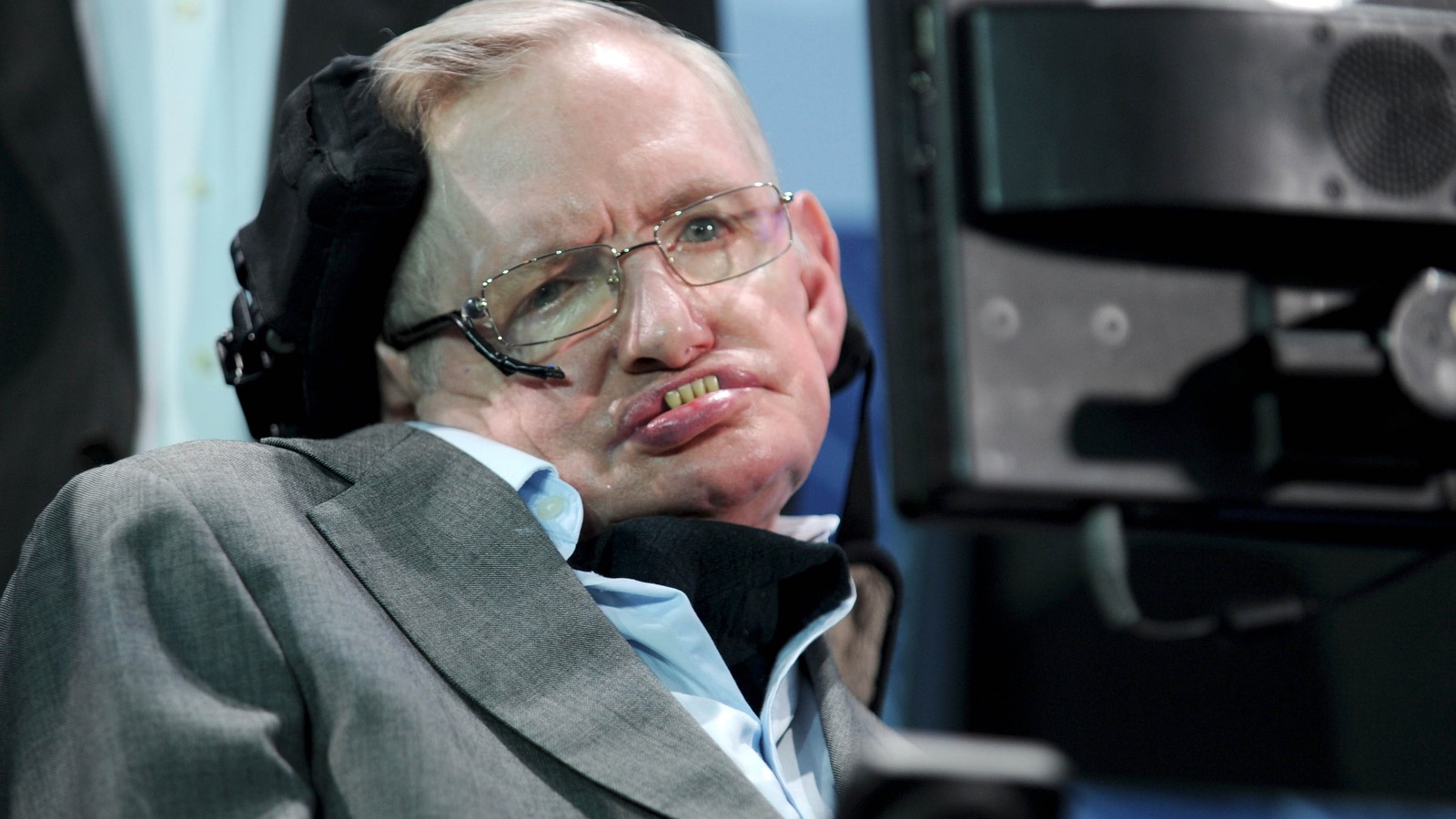
Stephen Hawking, the renowned British theoretical physicist and cosmologist, left an indelible mark on the world of science. Born on January 8, 1942, in Oxford, England, Hawking defied his physical limitations to become one of the most celebrated minds of the 20th century. His groundbreaking contributions to our understanding of black holes, the origin of the universe, and the nature of space and time earned him global recognition. With a net worth estimated at over $20 million, Hawking’s remarkable career spanned decades, including serving as the Lucasian Professor of Mathematics at the University of Cambridge, a position once held by Sir Isaac Newton. Despite being diagnosed with a motor neuron disease at the age of 21, Hawking lived a life of unwavering curiosity and intellectual brilliance.
Early Life and Background
Hawking’s family was described as “eccentric” and had a strong appreciation for learning. His father, Frank Hawking, was a medical researcher, and his mother, Isobel Hawking, was a medical research secretary. They encouraged their eldest child’s interest in science from an early age, fostering an environment that valued intellectual exploration. This support was instrumental in shaping Hawking’s future as a renowned scientist.
Hawking attended the University of Oxford, where he earned a first-class honors degree in Physics. This academic achievement was a testament to his dedication and natural aptitude for the subject. His time at Oxford laid the foundation for his future studies, which would take him to the University of Cambridge to pursue a PhD in Cosmology.
Career Beginnings
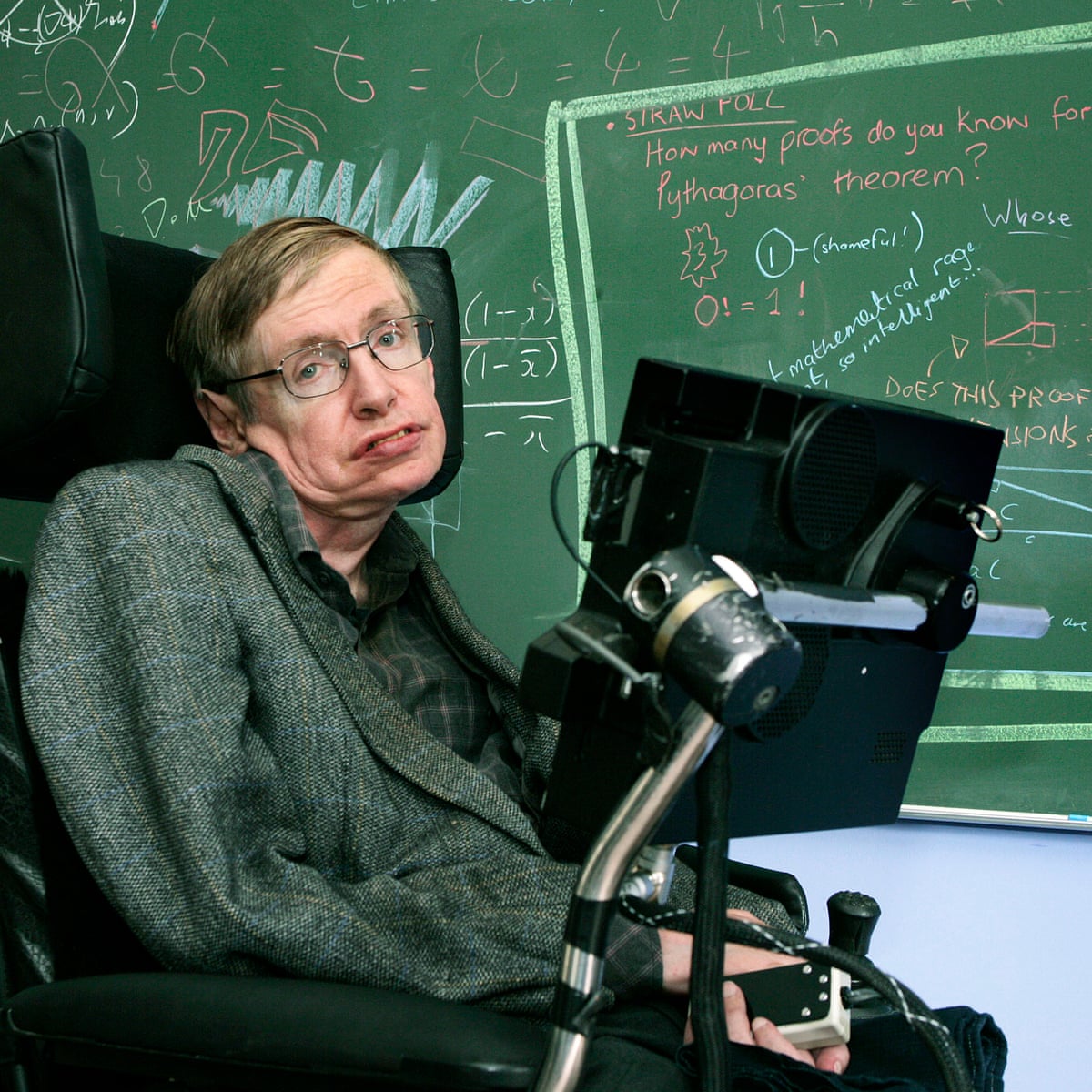
Stephen Hawking’s academic journey began at the University of Oxford, where he earned a first-class honors degree in Physics. This impressive achievement set the stage for his future endeavors. Hawking’s undergraduate studies laid the foundation for his subsequent research in cosmology. His academic prowess was evident from an early age, and his parents, Frank and Isobel Hawking, encouraged his interest in science.
After completing his undergraduate degree, Hawking pursued a PhD in Cosmology at the University of Cambridge. This prestigious institution provided him with the ideal environment to explore his passion for theoretical physics. Hawking’s time at Cambridge was marked by intense academic focus, and he was determined to make a significant contribution to the field. His PhD research focused on the application of general relativity to black holes, a topic that would become a hallmark of his work.
Hawking’s academic pursuits were not limited to his formal studies. He was an avid reader and researcher, devouring books and papers on various subjects related to physics and cosmology. His curiosity and intellectual rigor drove him to explore new ideas and theories, laying the groundwork for his future breakthroughs.
Major Achievements and Success

Stephen Hawking’s groundbreaking work in theoretical physics and cosmology left an indelible mark on the scientific community. His most notable work, ‘A Brief History of Time,’ published in 1988, became a bestseller and helped to make complex scientific concepts accessible to a broad audience. This book, which explores the origins of the universe and the nature of black holes, cemented Hawking’s status as a leading expert in his field.
| Biography Aspect | Details |
|---|---|
| Full Name | Stephen William Hawking |
| Date of Birth | January 8, 1942 |
| Place of Birth | Oxford, England |
| Nationality | British |
| Occupation | Theoretical Physicist, Cosmologist |
| Education | University of Oxford (first-class honors degree in Physics), University of Cambridge (PhD in Cosmology) |
| Notable Works / Achievements | A Brief History of Time, Hawking radiation theory |
| Family | Eldest of four children to Frank and Isobel Hawking |
| Spouse / Partner | Jane Wilde Hawking (married 1965-1995), Elaine Mason (married 1995-2006) |
| Children | Three children: Robert, Lucy, and Timothy Hawking |
Throughout his career, Hawking received numerous awards and accolades for his contributions to science. He was awarded the Albert Einstein Award in 1978 and the Fundamental Physics Prize in 2009, among many others. Hawking’s work also led to a deeper understanding of black holes and the behavior of matter in extreme conditions. His research on Hawking radiation, which proposes that black holes emit radiation due to quantum effects, revolutionized the field of cosmology.
Hawking’s peak career was marked by his appointment as the Lucasian Professor of Mathematics at the University of Cambridge in 1977, a position previously held by Sir Isaac Newton. This appointment solidified his position as a leading figure in the scientific community and provided a platform for him to share his groundbreaking research with the world.
Business Ventures and Investments
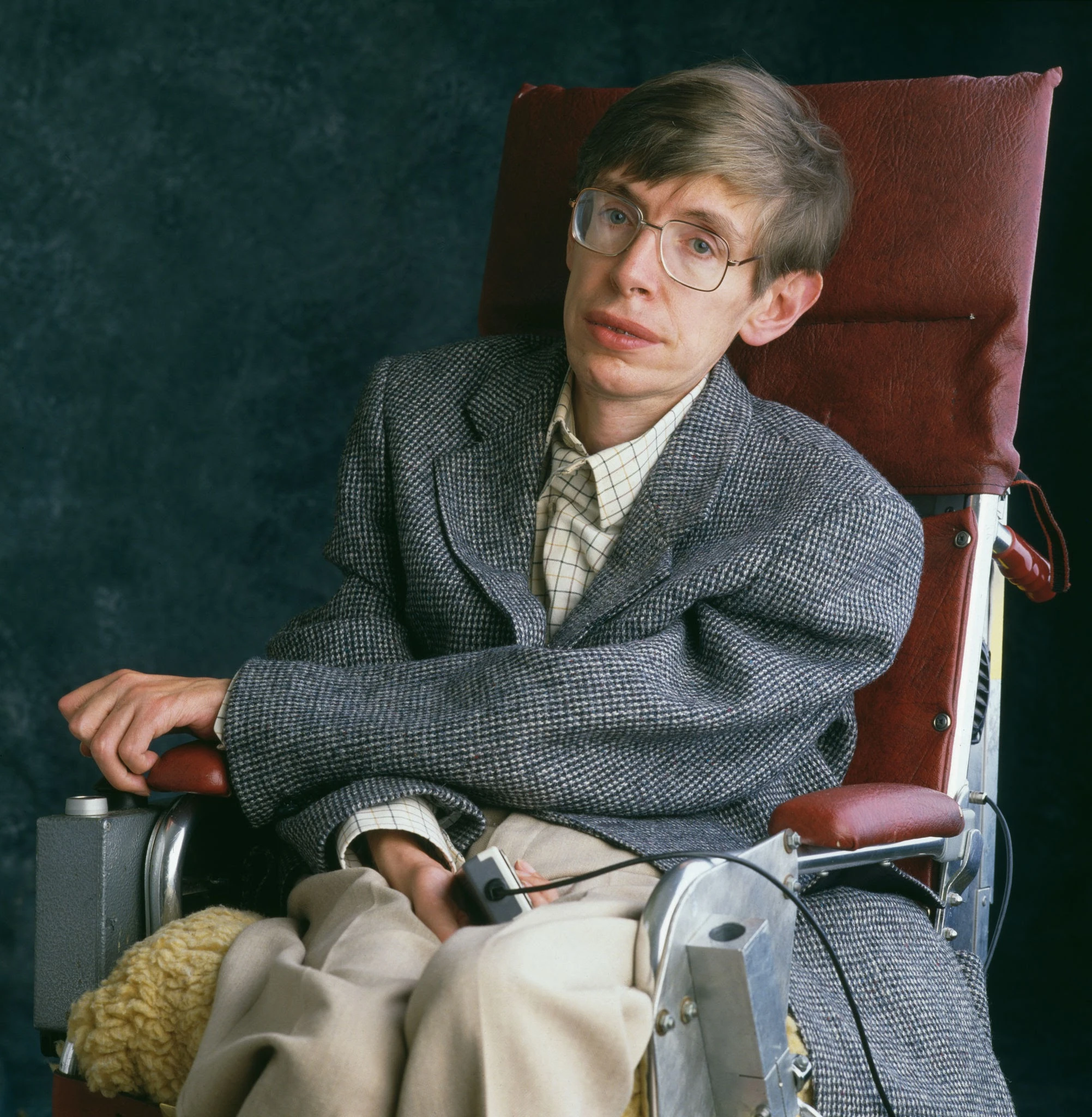
Stephen Hawking’s entrepreneurial spirit and business acumen extended beyond his academic pursuits. In 2007, he co-founded Hawking Technologies, a company that aimed to develop a new type of wheelchair that could be controlled by the user’s thoughts. This innovative project was a testament to Hawking’s commitment to pushing the boundaries of technology and improving the lives of people with disabilities.
Hawking also made strategic investments in various companies, including Google and Apple. He recognized the potential of these tech giants and saw an opportunity to capitalize on their growth. Additionally, he was a board member of the Motor Neurone Disease Association, a charity that supported research into the disease that had affected him for most of his life.
Hawking’s business decisions were often guided by his desire to make a positive impact on society. He believed that entrepreneurship and innovation could be powerful tools for creating change and improving people’s lives. Through his various business ventures and investments, Hawking demonstrated his ability to think creatively and navigate the complexities of the business world.
Personal Life
Stephen Hawking’s family played a significant role in shaping his life and interests. Born to Frank and Isobel Hawking, he was the eldest of four children. His parents, both with a strong background in science, encouraged his curiosity and passion for learning from an early age. Frank Hawking, a medical researcher, and Isobel Hawking, a medical research secretary, fostered an environment that valued intellectual pursuits.
Stephen Hawking’s family was known for their eccentricities and love of learning. His parents’ influence instilled in him a strong appreciation for science and mathematics. Hawking’s family life was marked by a sense of adventure and a willingness to explore the unknown. This environment likely contributed to his later interest in cosmology and theoretical physics.
In his free time, Stephen Hawking enjoyed activities that allowed him to express his creativity and curiosity. He was an avid reader and had a passion for science fiction. Hawking’s love of music was also evident, as he was known to have played the electronic organ. His hobbies and interests provided a welcome respite from the demands of his academic and professional pursuits.
Net Worth and Financial Success
Stephen Hawking’s financial success was a testament to his intellectual prowess and entrepreneurial spirit. Throughout his career, he earned a significant income from various sources. As a renowned author, Hawking wrote numerous bestselling books, including “A Brief History of Time,” which sold over 10 million copies worldwide. His writing career generated substantial royalties, contributing to his net worth.
In addition to his writing, Hawking also earned income from lectures and public appearances. He was a highly sought-after speaker, and his lectures often commanded high fees. Hawking’s royalties from licensing agreements for his books and documentaries also added to his financial success. Furthermore, he received grants and funding for his research from various institutions and organizations.
Hawking’s net worth was estimated to be around $20 million at the time of his passing in 2018. His financial success was not limited to his earnings; he also invested in various companies and ventures, including a tech firm that developed voice-controlled software. Hawking’s financial legacy serves as a reminder of his innovative spirit and ability to turn his intellectual pursuits into lucrative opportunities.
Legacy and Impact
Stephen Hawking’s influence on the scientific community extended far beyond his groundbreaking work on black holes and cosmology. His ability to communicate complex ideas in simple terms, as seen in his bestselling book “A Brief History of Time,” made him a household name and inspired a new generation of scientists and science enthusiasts. Hawking’s passion for science education and outreach led to the creation of the Stephen Hawking Foundation, which supports research and education in cosmology and theoretical physics.
Hawking’s contributions to our understanding of the universe have been profound and lasting. His work on Hawking radiation, which proposes that black holes emit radiation due to quantum effects, has been a cornerstone of modern cosmology. His Hawking-Hartle state, a proposal for the origin of the universe, has been widely accepted and has had a significant impact on our understanding of the universe’s early stages. Hawking’s legacy continues to inspire scientists and researchers, and his work remains at the forefront of modern cosmology.
As we look to the future, Hawking’s impact on science education and outreach will continue to be felt. His Hawking Lecture Series, which brings together leading scientists and thinkers to discuss the latest developments in cosmology, has inspired a new generation of scientists and science enthusiasts. Hawking’s legacy serves as a reminder of the power of human curiosity and the importance of pursuing knowledge and understanding.