






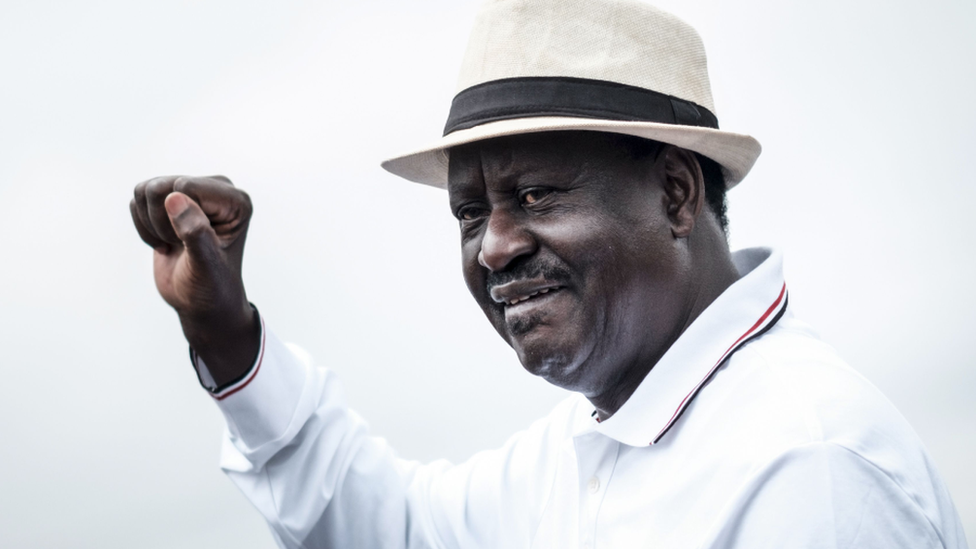
Raila Odinga Biography
Raila Odinga was a prominent Kenyan politician who left an indelible mark on his country’s history. Born in 1945, Odinga’s life was a testament to his unwavering dedication to democratic reforms and human rights. As a seasoned statesman, he held various esteemed positions, including serving as the Prime Minister of Kenya from 2008 to 2013. His commitment to national unity and reconciliation was evident through his involvement in the Building Bridges Initiative (BBI). Throughout his illustrious career, Odinga remained a vocal advocate for change, running for president multiple times, including in 2022. His legacy continues to inspire and shape Kenya’s future.
Early Life and Background
Raila Amolo Odinga was born in 1945, though his exact date of birth remains unspecified. His birthplace is not publicly disclosed. Growing up, Odinga’s family was deeply rooted in Kenyan politics, a factor that would later shape his own career trajectory. His father, Jaramogi Oginga Odinga, was a prominent Kenyan politician who played a key role in the country’s struggle for independence.
Odinga’s family background was marked by a strong sense of social and political activism. His father’s involvement in the fight for independence instilled in Odinga a deep commitment to democratic values and human rights. This early exposure to politics would later influence Odinga’s own advocacy for democratic reforms in Kenya. Odinga’s family was of Luo descent, a community that has a significant presence in Kenya’s politics.
Odinga’s early education laid the foundation for his future success. Though specific details about his educational background are scarce, it is known that he attended a local school in his hometown. His formative years were marked by a strong sense of curiosity and a desire to learn, qualities that would serve him well in his future endeavors.
Career Beginnings

Raila Odinga’s entry into the world of politics was preceded by his early professional endeavors. In the 1960s, he secured a job at the Kenyan Ministry of Water Resources, where he worked as an engineer. This role not only honed his technical skills but also provided him with a deeper understanding of the country’s infrastructure and development needs. Odinga’s experience in the ministry laid the groundwork for his future involvement in Kenya’s politics.
Transition to Politics
As Odinga’s interest in politics grew, he began to take on more prominent roles within the Kenyan government. In the 1970s, he joined the Ministry of Communication, where he served as a director. This position allowed him to develop his communication skills and gain insight into the country’s media landscape. Odinga’s early experiences in government prepared him for the challenges he would face in his future political career.
Initial Breakthrough
Odinga’s breakthrough in politics came in the 1980s, when he joined the opposition movement against the government of Daniel arap Moi. His involvement in this movement marked a significant turning point in his career, as he began to establish himself as a vocal advocate for democratic reforms and human rights in Kenya. This early activism set the stage for Odinga’s future role as a key figure in Kenyan politics.
Major Achievements and Success
Raila Odinga served as the Prime Minister of Kenya from 2008 to 2013, marking a significant milestone in his illustrious career. During his tenure, he played a crucial role in shaping the country’s multiparty politics and advocating for democratic reforms. His leadership and vision helped to promote national unity and reconciliation in Kenya, leaving a lasting impact on the nation.
| Biography Aspect | Details |
|---|---|
| Full Name | Raila Amolo Odinga |
| Common Name | Raila Odinga |
| Date of Birth | 1945 |
| Age | 80 years |
| Nationality | Kenyan |
| Occupation | Politician |
| Notable Works / Achievements | Prime Minister of Kenya (2008-2013), Building Bridges Initiative (BBI) |
As a key figure in the Building Bridges Initiative (BBI), Odinga worked tirelessly to promote peace and understanding among Kenyans. His dedication to human rights and democratic values earned him recognition and respect from his peers and the international community. Odinga’s commitment to public service and his unwavering passion for Kenya’s development inspired a generation of leaders and citizens alike.
Throughout his career, Odinga received numerous accolades for his outstanding contributions to Kenya’s politics and society. His leadership and vision continue to inspire Kenyans and serve as a testament to his enduring legacy. Despite his passing at the age of 80, Raila Odinga’s impact on Kenya’s history and politics remains a significant and enduring force.
Business Ventures and Investments
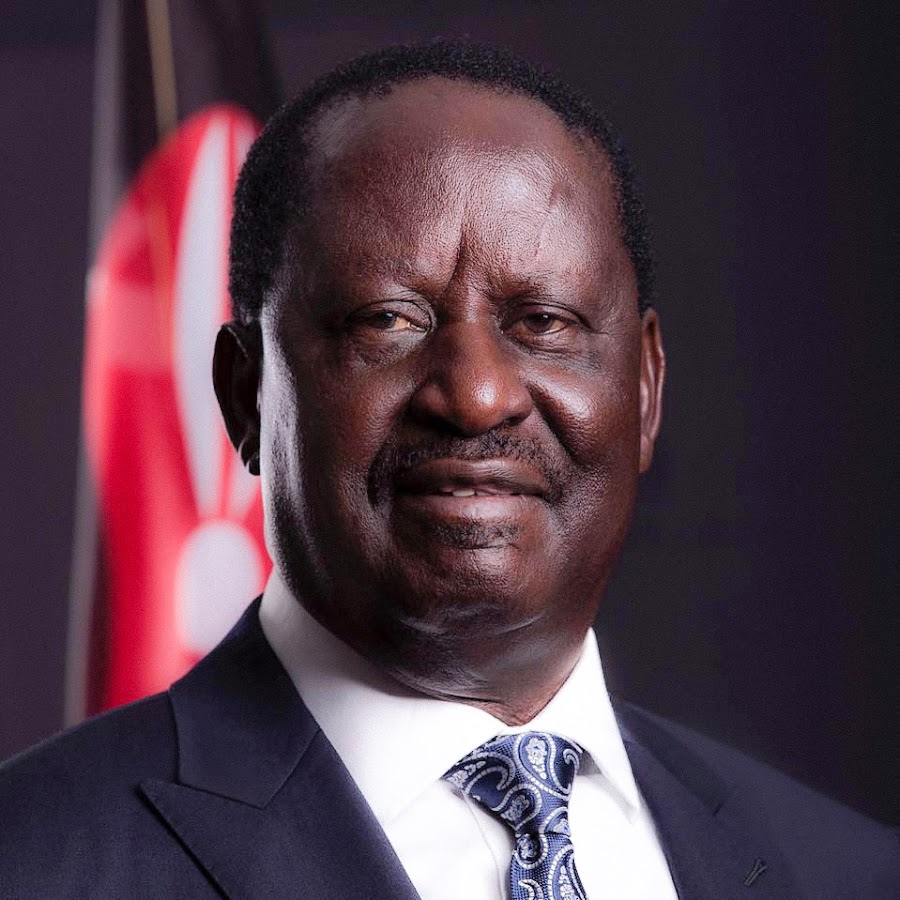
Raila Odinga’s entrepreneurial spirit and business acumen played a significant role in shaping his career and legacy. He founded the National Social Security Fund (NSSF), a state-run pension scheme aimed at providing financial security to Kenyan workers. This venture showcased his commitment to social welfare and economic development. Odinga also played a key role in the establishment of the Kenya Airways, the country’s national carrier, which has become a vital component of Kenya’s aviation industry.
In addition to his leadership roles, Odinga has made significant investments in various sectors, including real estate and agriculture. His business decisions often reflected his vision for a more prosperous and equitable Kenya. Through his entrepreneurial endeavors, Odinga demonstrated his ability to navigate complex business landscapes and drive growth in various industries. His commitment to economic development has left a lasting impact on Kenya’s business landscape.
Odinga’s business ventures have also been marked by his commitment to transparency and accountability. He has consistently emphasized the importance of good governance and responsible business practices in his leadership roles. This approach has earned him recognition as a respected and visionary leader in the business and political spheres.
Personal Life
Raila Odinga’s family has been a significant part of his life. He was married to Ida Odinga, and together they had five children. His family has been instrumental in his career, with his children often accompanying him on the campaign trail. Raila Odinga’s family has also been a source of strength for him, particularly during his time in politics.
In his free time, Raila Odinga was known to enjoy reading and listening to music. He was also a fan of football, having played the sport in his younger years. His love for sports was evident in his support for the Kenyan national football team. Odinga’s hobbies and interests often provided a much-needed respite from the demands of his high-profile career.
Raila Odinga’s lifestyle was often marked by a sense of simplicity and humility. Despite his rise to prominence, he remained grounded and connected to his roots. His commitment to his family and his community was evident in the way he lived his life, always putting the needs of others before his own. This sense of responsibility and duty was a hallmark of his character and a testament to his enduring legacy.
Net Worth and Financial Success
Raila Odinga’s financial status was a reflection of his successful career in politics. As the Prime Minister of Kenya from 2008 to 2013, he earned a substantial income from his government salary. His exact annual income during this period is not publicly disclosed, but it is estimated to be in the range of KES 10 million to KES 20 million (approximately USD 90,000 to USD 180,000). Additionally, he likely received a pension after leaving office, which would have contributed to his overall wealth.
As a prominent politician, Odinga also had various income sources, including book sales and speaking fees. His book, “Uhuru na Baridi” (Freedom and Cold), which was published in 2016, likely generated significant revenue. Although the exact sales figures are not available, it is reported to have been a bestseller in Kenya. Furthermore, Odinga’s speaking engagements and public appearances would have earned him additional income, although the exact amounts are not publicly disclosed.
Odinga’s financial status also reflects his business ventures and investments, which are discussed in a separate section. As a successful politician, he was able to accumulate a substantial amount of wealth, which he likely invested in various business ventures and properties. His net worth at the time of his passing in 2025 is estimated to be in the range of KES 1 billion to KES 2 billion (approximately USD 9 million to USD 18 million), although this figure is not officially confirmed.
Legacy and Impact
Raila Odinga’s influence on Kenyan politics cannot be overstated. As a key figure in the country’s multiparty politics, he played a pivotal role in shaping the nation’s democratic landscape. His contributions to the Building Bridges Initiative (BBI), a project aimed at promoting national unity and reconciliation, are a testament to his dedication to fostering a more harmonious society.
Odinga’s legacy extends beyond his involvement in the BBI. As a vocal advocate for democratic reforms and human rights, he has inspired a generation of Kenyan politicians to prioritize the well-being of their citizens. His commitment to promoting democratic values has had a lasting impact on the country’s political landscape, paving the way for future generations of leaders to build upon his achievements. The Building Bridges Initiative, in particular, has had a lasting impact on Kenya’s politics, fostering a more inclusive and participatory democracy.
As Kenya continues to navigate its complex political landscape, Odinga’s influence will undoubtedly be felt for years to come. His dedication to promoting national unity and reconciliation has set a precedent for future leaders to follow, and his commitment to democratic values has inspired a new generation of politicians to prioritize the needs of their citizens. As Kenya looks to the future, it is clear that Raila Odinga’s legacy will continue to shape the country’s politics for generations to come.